Q1: The Ultimate Guide to Baby Diapers: Types, Features, and How to Use Them Correctly
- A:
Every parent wants the absolute best for their baby, especially when it comes to everyday essentials like baby diapers. A high-quality diaper does more than just keep a baby dry—it protects their delicate skin, ensures restful sleep, and supports their active development.
For parents, choosing the right diaper and learning correct diapering techniques can eliminate daily stresses like leaks and diaper rashes. For B2B buyers, retailers, and private label brands, understanding these product dynamics is the key to capturing market share in the highly competitive hygiene industry.
This ultimate guide covers everything you need to know about baby diapers, from core materials and diaper types to step-by-step usage instructions and pro diapering tips.
1. Anatomy of a Modern Baby Diaper: Materials & Core Features
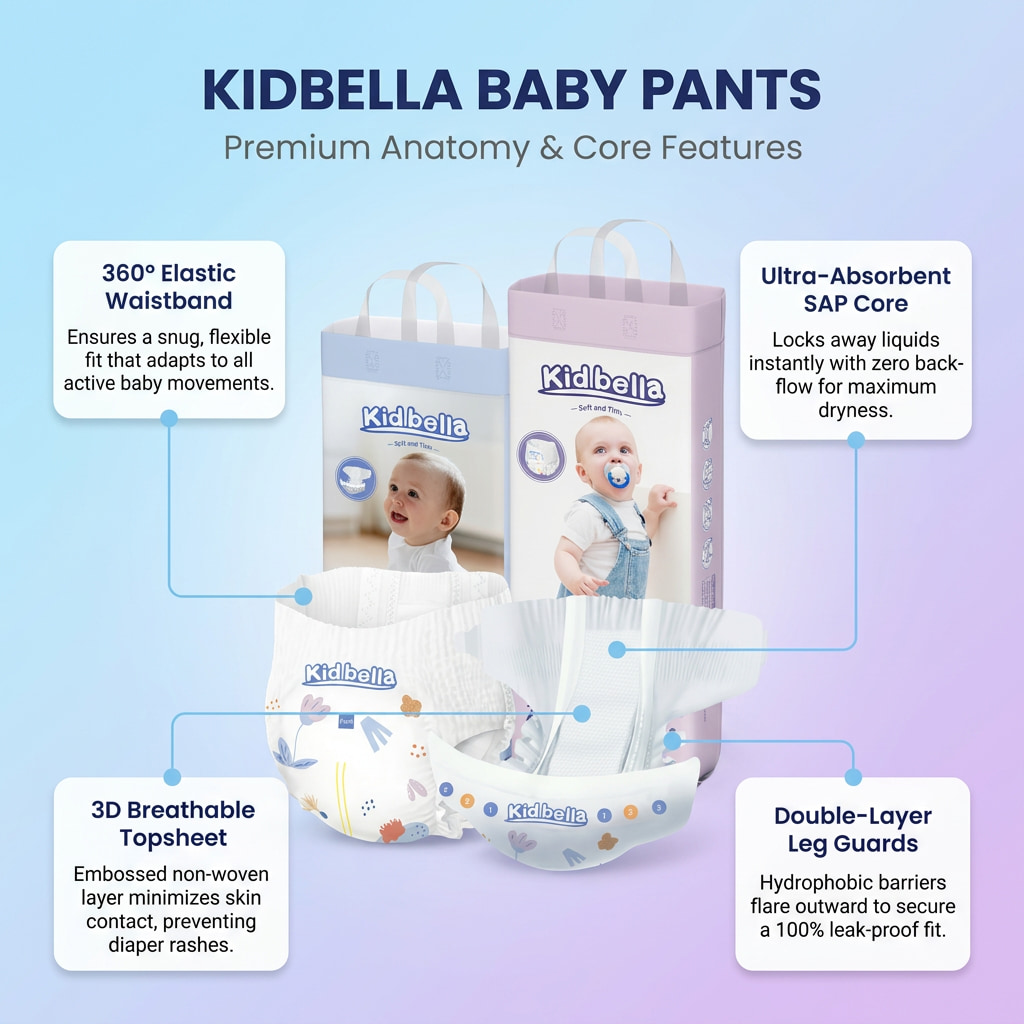
To understand what makes a baby diaper high-performing, we must look at its anatomy. Modern disposable baby diapers are masterpieces of engineering, designed to keep moisture away from the baby's skin while maintaining maximum breathability.
The Ultra-Absorbent Core
The heart of any diaper is its core, which is responsible for absorbing and locking away liquids. It typically consists of:
-
Super Absorbent Polymer (SAP): Tiny crystals that can absorb up to 300 times their weight in liquid, turning wetness into a leak-proof gel. We utilize premium SAP (such as Sumitomo) to ensure lightning-fast absorption and zero back-flow (rewet).
-
FSC-Certified Wood Pulp: Blended with SAP to distribute liquid evenly across the core, preventing sagging or clumping.
Key Structural Features
-
Acquisition Distribution Layer (ADL): A sub-layer that quickly pulls liquid down and distributes it horizontally, preventing the diaper from leaking in a single concentrated spot.
-
3D Breathable Topsheet: The inner layer in direct contact with the baby's skin. High-quality diapers feature an embossed, non-woven topsheet that minimizes skin contact and maximizes airflow.
-
360° Elastic Waistband: Provides a snug, flexible fit around the tummy, adapting to baby movements and preventing back leaks.
-
Double-Layer Leak Guards (Leg Cuffs): Hydrophobic non-woven barriers that stand upright around the thighs to stop lateral leaks.
-
Wetness Indicator: A convenient strip on the outer shell that changes color (usually from yellow to blue) when the diaper needs changing.
2. Types of Baby Diapers: Tape Diapers vs. Baby Pants (Pull-Ups)
Understanding the different categories of baby diapers is essential for choosing the right product for a baby's specific developmental stage.
|
Diaper Type
|
Main Characteristics
|
Best Suited For
|
Key Advantages
|
|
Tape Diapers (Open Type)
|
Traditional diapers with adjustable resealable adhesive or magic tabs on both sides.
|
Newborns to crawling infants (0–9 months).
|
Easy to put on and adjust when the baby is lying flat; gentle on healing umbilical cords.
|
|
Baby Pants (Pull-Ups)
|
Underwear-like diapers with a 360-degree elastic waistband that slip easily onto the baby.
|
Active crawling, standing, and walking babies (6 months+).
|
Extremely easy to change on squirming or standing toddlers; promotes potty training independence.
|
3. Step-by-Step Guide: How to Put on a Baby Diaper Correctly
Proper application is just as important as choosing a premium diaper. Even the best diaper will leak if put on incorrectly. Follow these step-by-step instructions for a perfect, leak-proof diaper change.
For Tape Diapers (Open Style)
Step 1: Preparation & Hygiene
Wash your hands thoroughly and gather your diapering supplies: a clean diaper, baby wipes (alcohol-free and unscented), diaper rash cream, and a change of clothes if necessary. Place your baby on a flat, secure diapering pad.
Step 2: Clean and Dry
Open the dirty diaper. Gently lift the baby's legs by the ankles and fold the dirty diaper underneath them (using the clean outer shell to wipe down any major mess). Use gentle baby wipes to clean the diaper area from front to back (especially crucial for baby girls to prevent UTIs). Allow the skin to air-dry completely. Applying a diaper on wet skin is a primary cause of diaper rash.
Step 3: Position the Clean Diaper
Slide a fresh, open diaper under your baby. The back half with the fastening tabs should be placed under their bottom (aligned with their waist), while the front half folds up over their tummy. If your baby is a newborn, ensure the front of the diaper is folded down to keep the umbilical cord stump dry and exposed to air.
Step 4: Secure the Fastening Tabs
Symmetrically pull the fastening tabs from the back and secure them onto the front landing zone. The fit should be snug but comfortable.
-
The "Two-Finger" Rule: You should easily be able to slide two fingers flat between the diaper and your baby's tummy.
Step 5: Adjust the Leg Guards (Crucial Step!)
Run your finger around the elastic leg cuffs (ruffles) to ensure they are flared outward and not tucked inside the diaper. Tucked-in ruffles are the #1 cause of leg leakages.
For Baby Pants (Pull-Ups)
-
Slip It On: Have your baby stand up or lie down. Put their feet through the leg holes and pull the pants up just like regular underwear.
-
Adjust the Waist: Ensure the elastic waistband sits comfortably above the hips and flat against the stomach.
-
Flare the Leg Ruffles: Just like with tape diapers, make sure the leg guards are fully pulled out and flared.
-
Easy Removal: When the diaper pants are soiled, you do not need to pull them down. Simply tear the side seams on both sides, roll the pants up, secure with the disposal tape on the back, and discard.
4. Pro-Tips for Diapering Success & Preventing Diaper Rash
Here are professional tips from pediatric and manufacturing experts to ensure diapering success:
-
Change Diapers Frequently: Newborns should be changed every 2–3 hours, or immediately after a bowel movement. Sitting in a wet or soiled diaper leads to skin breakdown.
-
Create a Moisture Barrier: Apply a thin layer of zinc-oxide-based diaper rash cream or petroleum jelly during changes to protect sensitive skin from acidic stool and urine.
-
Size Up for Overnight Use: If your baby wakes up wet in the morning, try using a diaper one size larger during the night. A larger size features a bigger absorbent core with higher fluid retention capacity.
-
Practice "Air Time": Let your baby go diaper-free for 10-15 minutes a day. Fresh air is the natural enemy of diaper rash.
5. Why Partner with Quanzhou Tianjiao for OEM/ODM Diaper Manufacturing?
For global distributors, brand owners, and importers, sourcing consistent, medical-grade hygiene products is vital for business success.
Quanzhou Tianjiao Lady & Baby's Hygiene Supply Co., Ltd. is a world-class OEM/ODM manufacturer specializing in high-performance baby diapers, training pants, adult diapers, and sanitary napkins.
-
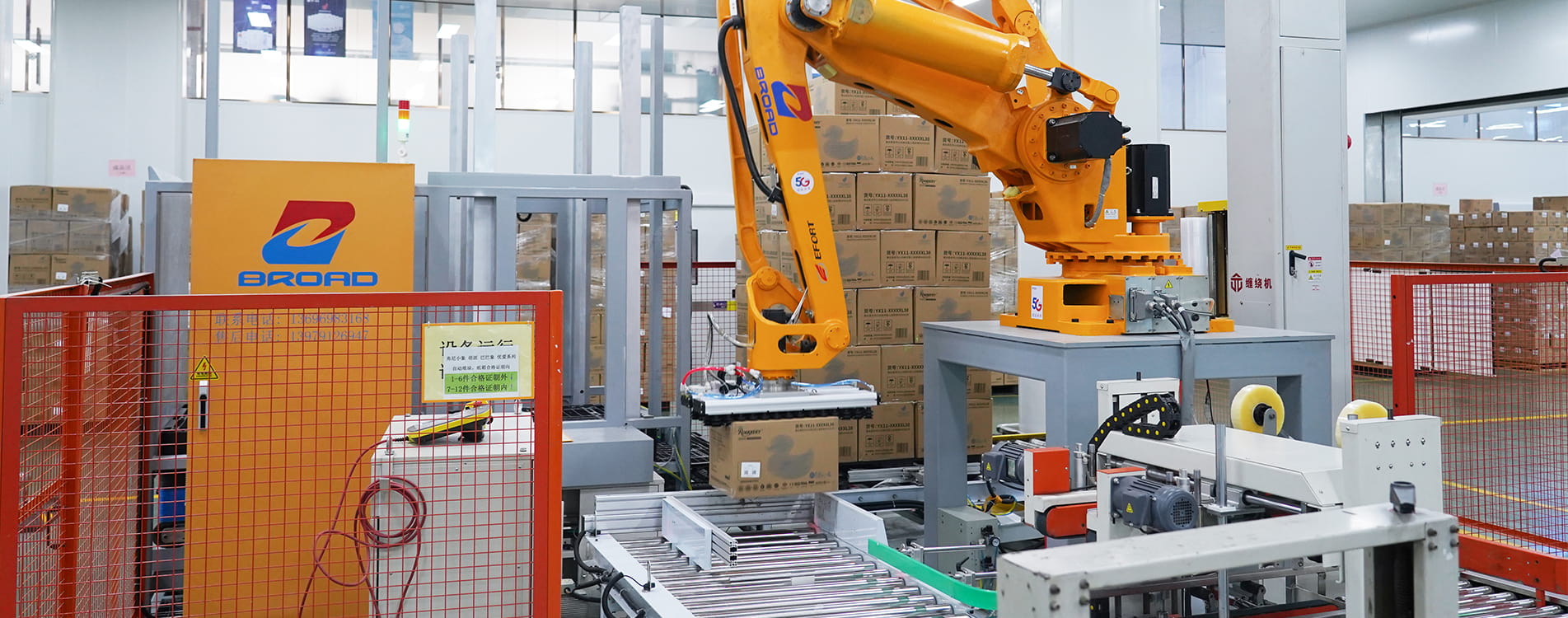
5G Smart Manufacturing: Equipped with fully automated, high-speed production lines ensuring precision, consistency, and zero contamination.
-
AI Quality Control: Advanced optical inspection systems check every single diaper in real-time for alignment, raw material integrity, and structural defects.
-
Global Certifications: Certified by ISO9001, ISO13485, CE, FDA, FSC, and OEKO-TEX, guaranteeing compliance with stringent international health and safety standards.
-
Full Customization: From raw material selection (Japanese SAP, organic cotton topsheets, breathable backsheets) to custom packaging and branding, we bring your product vision to life.
Contact our business development team today to request free product samples, factory video tours, or customized quotes.
6. Frequently Asked Questions (FAQs)
Q1: How often should I change my baby's diaper?
A: You should change your baby’s diaper every 2 to 3 hours, or immediately after they have pooped. Newborns require more frequent changes (up to 10–12 times a day) compared to older infants.
Q2: What is the wetness indicator and how does it work?
A: The wetness indicator is a non-toxic chemical stripe printed on the outer backsheet of the diaper. It reacts to moisture (pH changes in urine), turning from yellow to dark blue, signaling that it’s time for a diaper change without having to unfasten the diaper.
Q3: How do I know if my baby is ready for pull-up diaper pants?
A: Once your baby starts crawling actively, rolling over constantly during diaper changes, or attempting to stand (usually around 6 to 9 months), switching to baby diaper pants will make changing significantly easier.
Q4: Are disposable baby diapers safe for sensitive skin?
A: Yes, provided they are made without harsh chemicals. High-quality diapers are hypoallergenic, chlorine-free, paraben-free, and fragrance-free. Look for certifications like OEKO-TEX Standard 100 to ensure safety for sensitive newborn skin.
Q2: How to Size Baby Diapers: Everything Explained
- A:
One of the most important decisions you can make when sourcing or purchasing baby diapers is choosing the right size. A wrong size can lead to leaks, discomfort, diaper rashes, and product waste. On the contrary, choosing the correct size will improve the baby's comfort, parents' confidence, and overall brand satisfaction.
Whether you are purchasing for maternal and child stores, wholesale distribution, hospitals, or looking for an OEM/ODM diaper manufacturer for your brand, understanding how to size baby diapers correctly will help you deliver better results. Everything you need to know about baby diaper sizing is discussed in this comprehensive guide.
Why Choosing the Right Baby Diaper Size Matters
For babies, proper sizing is non-negotiable due to their extremely delicate skin and rapid growth. Here are the key reasons why you must pay close attention to sizing:
Better Leak Protection
: The right diaper size wraps around the baby's waist and thighs snugly, ensuring that wetness and mess are locked securely in the absorbent core. If the diaper is too loose, gaps will form around the legs and waist, leading to side leaks and blowouts.
Improved Comfort
: Babies are constantly moving—kicking, rolling, crawling, and taking their first steps. A diaper that is too tight restricts their natural movements, whereas a perfectly sized diaper provides the flexibility and airflow they need to stay comfortable all day.
Reduced Skin Irritation and Diaper Rash
: If a diaper is too small or tight, its edges will rub against the baby's sensitive skin, causing friction, redness, chafing, or deep pressure marks. A diaper that is too loose will also sag and cause rubbing. Choosing the right size minimizes the risk of diaper rash and skin irritation.
Lower Product Waste & Costs
: Incorrect sizing leads to frequent diaper changes, extra laundry due to leaks, or even wasting entire packs of unusable diapers. For both businesses and households, correct sizing ensures cost efficiency.
Neat and Bulk-Free Fit
: A well-fitted diaper sits closer to the baby’s body, looking less bulky under clothing and allowing the baby to move around light and free.
Understanding Baby Diaper Sizing Basics
Unlike adult diapers or regular clothing, baby diaper sizing is designed to balance absorbency capacity, body fit, and the baby's developmental stage.
Another crucial point to understand is that baby diaper sizing is not standardized globally. A "Medium" size from one brand may fit differently than a "Medium" from another. When sourcing or buying, you should never rely on size labels alone (such as S, M, L). Instead, pay close attention to weight ranges and actual fit metrics.
Key Metrics You Need for Sizing
Weight
: This is the
primary indicator for baby diaper sizing. Almost all diaper brands list recommended weight ranges (in kilograms or pounds) on their packaging.Developmental Stage & Age
: Newborn stage (NB), crawling/sitting stage (M/L), and walking/toddler stage (L/XL/XXL). As babies become more active, parents and buyers often transition from traditional tape-style diapers (Open Diapers) to baby pants/pull-ups (Pull-up Pants/Training Pants) for easier diaper changes.
Body Shape
: Even if two babies weigh exactly the same, their body shapes can be completely different. Some babies have round, chubby bellies, others have thick thighs (sometimes called "Michelin-man legs"), while some are tall and lean. These body differences affect how a diaper fits around the waist and thighs.
How to Size Baby Diapers Correctly: A Step-by-Step Guide
Step 1: Get an Accurate Weight Measurement
Since weight is the primary factor, monitor and weigh your baby regularly.
Tip
: Step on a digital scale holding the baby and record the total weight, then weigh yourself alone. Subtract your weight from the total to get the baby's precise weight. For accuracy, weigh the baby after a bowel movement or while they are wearing light clothing.
Step 2: Measure Waist and Thigh Circumference (Body Shape Check)
If your baby is chubby or has thick legs, they might need a larger size even if their weight falls within the current size range.
Tool
: Use a
soft, flexible measuring tape
:Do not use rigid metal construction tapes or stiff rulers, as they can scratch the baby and yield inaccurate curves.
Waist
: Wrap the tape flat and even around the baby's natural waistline (usually slightly below the belly button).
Thigh
: Wrap the tape flat around the widest part of the baby's upper thigh (near the groin).
Step 3: Compare with Brand-Specific Size Charts
Match your baby's weight and measurements against the specific brand's size chart.
Step 4: Choose the Larger Size on Borderline Weights
If your baby's weight is right at the boundary or overlapping range of two sizes (for example, a baby weighing 8 kg when S is for 4-8 kg and M is for 6-11 kg):
Rule of Thumb:
Always size up to the larger size (M in this case).
A slightly larger size provides more absorbency, reduces the risk of blowouts, and ensures a comfortable fit around the tummy and legs without pinching.
Baby Diaper Size Chart (Quick Reference Guide)
Below is a standard baby diaper size chart widely used in the international market. While specific brands may vary slightly, this chart serves as a solid baseline for sourcing, purchasing, and OEM manufacturing:
|
Diaper Size
|
Recommended Weight (kg)
|
Recommended Weight (lbs)
|
Developmental Stage & Age
|
|
NB (Newborn)
|
Up to 5 kg
|
Up to 11 lbs
|
0 - 1 month. Extremely delicate skin; requires frequent changes.
|
|
S (Small)
|
4 ~ 8 kg
|
9 ~ 18 lbs
|
1 - 3 months. Low activity; baby starts smiling and holding their head.
|
|
M (Medium)
|
6 ~ 11 kg
|
13 ~ 24 lbs
|
3 - 6 months. Baby starts rolling over and crawling; increased urine volume.
|
|
L (Large)
|
9 ~ 14 kg
|
20 ~ 31 lbs
|
6 - 12 months. Crawling and sitting; baby starts attempting to stand.
|
|
XL (Extra Large)
|
12 ~ 17 kg
|
26 ~ 37 lbs
|
12 - 18 months. Walking/toddling; high activity. Pull-ups recommended.
|
|
XXL (Double XL)
|
15 kg+
|
33 lbs+
|
18 months+. Active toddlers; ideal for potty training stages.
|
Signs Your Baby Diaper Size Is Wrong
If you notice any of the following signs, it is time to adjust or upgrade your baby's diaper size immediately:
Frequent Leaks and Blowouts
1. : Many parents assume leaks are caused by poor diaper quality, but most leaks happen because
the diaper size is wrong—either it is too big, leaving gaps around the legs, or too small, meaning the core cannot hold the volume of waste.
Red Marks or Chafing
2. : Red marks or deep elastic indentations around the baby's thighs, waist, or hips are clear indicators that the diaper is
too small and too tight. Difficulty Fastening Tabs
3. : If the diaper's fastening tape/tabs can only reach the outermost boundary of the landing zone, or if you have to stretch them aggressively to make them stick, the diaper is too small. Sagging, Slipping, or Gaps
4. : If the diaper sags heavily, shifts out of place when the baby moves, or has visible gaps at the back of the waist, the diaper is
too big.
Low Coverage (Low Rise)
5. : If the waist of the diaper sits too low on the stomach or does not cover the baby's backside properly, the rise is insufficient, meaning the diaper istoo small.
Common Mistakes to Avoid When Choosing a Size
Mistake 1: Sizing by Age Alone
Babies grow at wildly different rates. Two babies of the same age can differ significantly in weight and body proportions.
Always prioritize weight as the primary sizing metric, using age only as a secondary guide.
Mistake 2: Ignoring Thigh Size ("Michelin Babies")
A baby may weigh within the diaper's recommended range, but if they have particularly chubby thighs, the diaper will pinch and leak. Always
size up for babies with chunky thighs.
Mistake 3: Choosing a Tighter Fit to Prevent Leaks
A diaper that is wrapped too tightly is uncomfortable, restricts breathing, and can actually squeeze liquid out of the absorbent core (causing wetness transfer). Always leave a "one-finger" gap at the waist.
Mistake 4: Over-Stocking a Single Size
Babies grow incredibly fast during their first six months, particularly outgrowing NB and S sizes within weeks. Retailers, wholesalers, and parents should manage inventory wisely to avoid dead stock of smaller sizes.
Understanding baby diaper sizing is crucial to ensuring baby comfort, preventing leaks, and reducing product waste. Whether you are buying for your family or sourcing for global distribution, selecting the right size based on weight, body shape, and activity level is key.
If you are looking for high-quality, consistently-sized baby diapers with excellent leakage barriers (including open diapers and baby pants), Quanzhou Tianjiao Lady & Baby's Hygiene Supply Co., Ltd. is a leading global OEM/ODM diaper manufacturer ready to assist you. Contact us today to explore custom product specifications and competitive pricing!
FAQs
1. If my baby is between two sizes, should I size up or down?
You should always size up. A slightly larger diaper can easily be adjusted for a snug fit using the fastening tapes, and a larger diaper has a bigger absorbent core to handle more urine. Sizing down will lead to skin chafing and frequent leakages.
2. When should we switch from tape diapers to baby pull-up pants?
When your baby begins rolling, crawling, sitting, or standing (usually between 6-9 months, around size M or L), changing a tape diaper can become a battle. Switching to pull-up pants with a 360-degree elastic waistband makes changes as easy as putting on underwear, accommodating active toddlers easily.
3. Does a leaking diaper always mean a quality issue?
No. In fact, most diaper leakages are caused by incorrect sizing or poor fit application (e.g., failing to pull out the leg ruffles/cuffs, uneven fastening, or using a size that is too large). Adjusting the size or the application method usually resolves the issue.
4. How do I know if the diaper fits properly?
Once fastened, you should be able to slide two fingers flat inside the front waist easily. Also, run your finger around the baby's thigh cuffs to ensure the leg ruffles/guards are flared outward (not tucked inside) and snug without digging into the skin.
Q3: China Diaper Factory |Bulk OEM Supply
- A:
As a B2B buyer in the baby care industry, you know the core of your business success lies in reliable supply chains, consistent product quality, and cost-effective solutions. When it comes to baby diapers—one of the highest-demand maternal and infant necessities—finding a trustworthy source factory that can meet your bulk orders, customize products to your brand needs, and ensure compliance with global standards is not just a choice, but a strategic decision for long-term profitability. We are a professional diaper source factory with over 20 years of experience in OEM/ODM manufacturing, dedicated to empowering your brand with one-stop, worry-free supply chain support, and helping you seize opportunities in the global baby care market.

Stop Struggling with Supply Chain Pain Points—We Have the Solutions You Need
We understand the frustrations you may face in diaper procurement: unstable supply leading to stockouts, inconsistent product quality causing high after-sales rates, long customization cycles delaying market launch, and opaque costs eroding your profit margins. These pain points not only waste your time and energy but also affect your brand reputation in the competitive market. As a direct source factory with 20 years of industry experience, we focus on solving these core problems for B-end clients (brands, distributors, cross-border sellers, supermarkets, and maternity stores) with our strong manufacturing strength and professional service system.
Core Strengths of Our Diaper Source Factory—Your Reliable Partner for Global Supply
1. Large-Scale Production Capacity: Stable Supply for Bulk Orders
Equipped with 55 fully automated production lines in a 100,000-class food-grade clean workshop, we adopt 6S management system and metal detection/auto-weighing system to achieve standardized operations. Our annual production capacity reaches 7 billion pieces, and the production lines support flexible switching between diapers, pull-up pants and other categories, which can easily meet your needs from bulk trial production to large-batch mass production. We implement a minimum order quantity (MOQ) of 100,000 pieces, and with a professional supply chain team, we guarantee a delivery cycle of 30-40 days for regular orders and can respond quickly to emergency orders, ensuring that your inventory is always sufficient and avoiding losses caused by stockouts.


2. Strict Quality Control: Beyond Industry Standards for Safety & Comfort
For baby diapers, quality and safety are non-negotiable. We strictly follow international standards such as GB/T8939 and establish a comprehensive testing system to ensure the stability and reliability of product quality. All raw materials are sourced from global high-quality suppliers,经过 multiple screenings and tests to ensure zero fluorescent agents, zero harmful substances, and skin-friendly formula, making the diapers soft, breathable, and non-irritating, suitable for babies with sensitive skin to wear for a long time. Our rigorous quality control system runs through the entire production process, from raw material incoming inspection to finished product delivery, to ensure that every batch of products meets your expectations and global market standards.

3. Full-Cycle Cooperation Support: Empower Your Business Growth
Cooperation with us is not just about product supply—it’s about long-term win-win cooperation. We provide comprehensive sales support for our clients, including industry analysis, competitor analysis, customs data, channel layout support, and social media promotion support, helping you better understand the global market demand and expand sales channels. For cross-border sellers, we can provide professional guidance on compliance certification (such as EU CE, US FDA) and help you sort out product safety testing data to smoothly enter European, American, African, Middle Eastern, Latin American and other markets. Our after-sales team provides 24-hour online service, responding to your questions and solving problems in a timely manner, ensuring that your procurement process is smooth and worry-free.
Why Choose Us? Trusted by 500+ B-End Clients Worldwide
With 20 years of experience in diaper manufacturing and export, we have established long-term and stable cooperative relationships with more than 500 B-end clients in over30 countries and regions around the world, including Europe, North America, Southeast Asia, Africa, and the Middle East. Many of our clients have achieved significant business growth with our high-quality products and professional services—whether you are a cross-border seller looking for cost-effective bulk supplies, a brand owner needing customized OEM services, or a distributor wanting stable and high-quality sources, we can provide you with tailored solutions that fit your needs.
We adhere to the concept of "customer success is our pursuit", and we are committed to providing you with the highest cost-effective diaper products and the most professional one-stop supply chain services, helping you reduce procurement costs, improve market competitiveness, and achieve sustainable profitability in the baby care industry.
Start Your Win-Win Cooperation Today
If you are looking for a reliable, professional, and cost-effective diaper source factory with 20 years of experience, look no further. Click the "Contact Us" button below to get your free custom solution and product sample, and let’s work together to seize the huge opportunities in the global baby care market. We look forward to becoming your long-term strategic partner and growing together with you!
Q4: Business Preparation Guide for Chinese Lunar New Year
- A: The Critical Procurement Window Before the Festival: Why You Must Act Now
Logistical Factors: During the Lunar New Year period, major Chinese ports, freight companies, and domestic logistics networks will experience significantly strained capacity. Booking international sea and air freight will become difficult, potentially more costly, and delivery timelines cannot be guaranteed.
Demand Surge: The Lunar New Year period is a traditional peak consumption season in Asian markets, with increased purchasing by end consumers. For retailers and distributors, sufficient inventory is fundamental to capitalizing on holiday sales opportunities and meeting customer demand.
Cost & Planning Strategy: Many Chinese manufacturers offer their final annual promotions and cooperative terms before the New Year holiday. Placing orders early to lock in prices and production capacity is a key strategy for optimizing annual procurement costs and ensuring stable supply for the first quarter.
Scientifically Estimating Your Safety Inventory Levels
We recommend estimating your festive season inventory needs based on your target market's sales data, with reference to typical daily diaper consumption patterns for infants in China:
Basic Calculation Formula:
Recommended Order Quantity = Your Estimated Average Daily Market Sales × Festival Impact Period (suggest at least 60 days) × Safety Factor (1.2-1.5)
Product Planning Reference by Size Stage:
Small Sizes (e.g., NB/S/M): Recommend conservative estimation. Due to rapid growth in early infancy, these sizes have a shorter usage cycle, and excess inventory may lead to overstock.
Medium & Large Sizes (e.g., L/XL/XXL): Can be considered a focus for stock preparation. These sizes have a longer usage cycle and relatively stable demand, often being the main drivers of sales during the festive period.
Training Pants/Pull-Ups: Demand for this category grows as infants develop. Consider allocating an appropriate proportion in your inventory mix.
Core Recommendation: To ensure an uninterrupted supply chain before and after the Lunar New Year, we recommend preparing inventory covering at least 60 to 90 days of sales for your channels.
Pre-Holiday Stocking Checklist for International Buyers
Review Current Inventory: Immediately audit the diaper stock in your warehouses and in transit. Identify gaps in each size to avoid duplicate or missed orders.
Allow for Growth Space: When placing orders, consider appropriately increasing quantities for your faster-selling medium and large sizes to accommodate potential sales growth.
Optimize Warehousing & Logistics: Communicate with your logistics providers in advance to book freight space for the period around the Lunar New Year. Upon arrival, store goods in a dry environment to prevent moisture from affecting product quality.
Retain Documentation: Safely keep all purchase orders, contracts, and communication records. Ensure information is clear and traceable for efficient handling of any subsequent issues.
Happy Baby Product Series: Solutions for Diverse Market Needs
To assist you in better preparing stock for your market, here is an overview of our core series features for your reference when selecting your procurement mix:
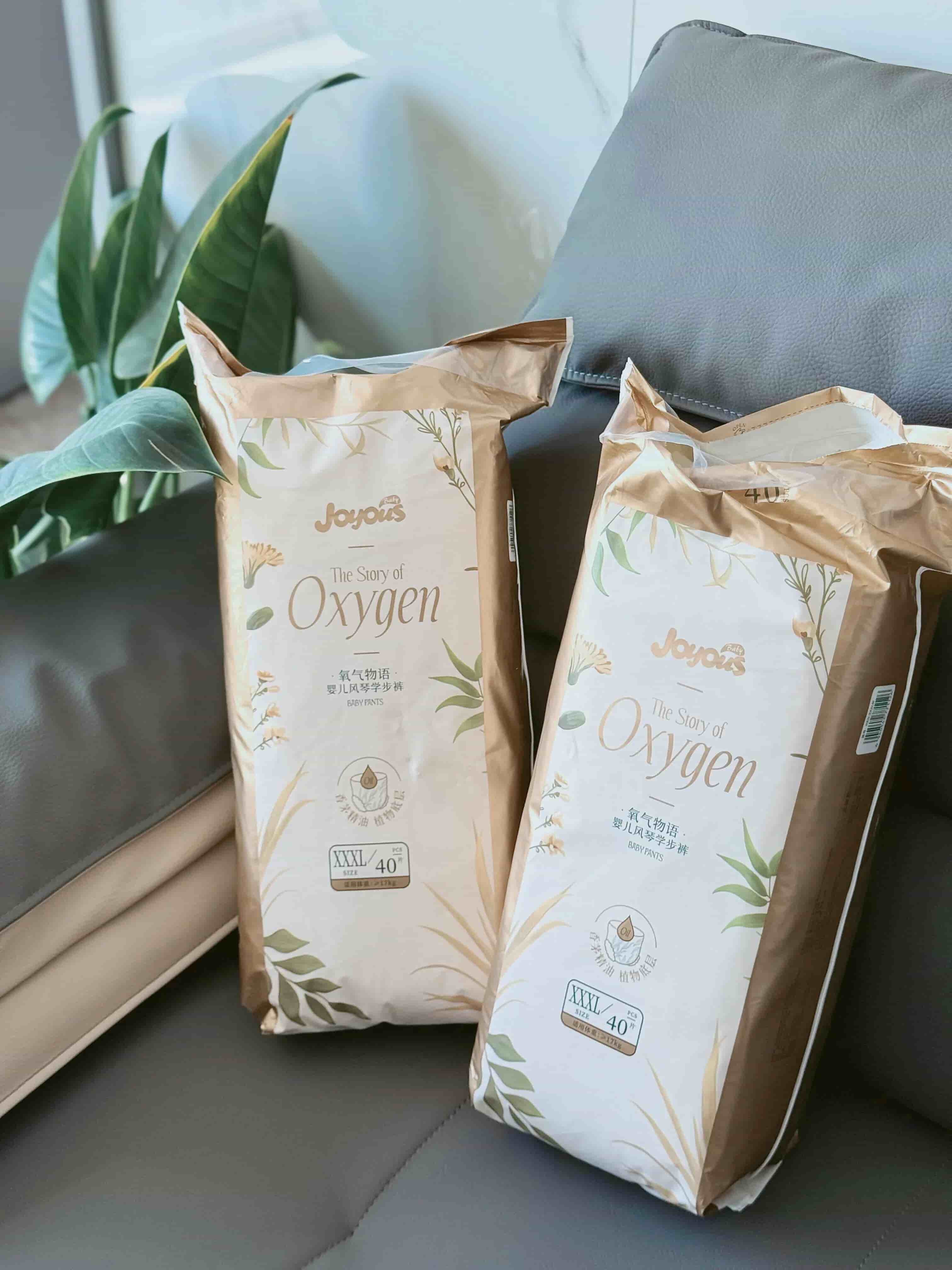
1. Oxygen Series
This series focuses on the soothing and caring experience. It incorporates natural citronella essence, designed to help soothe skin. The specially designed Enhanced Night Version features added leak-proof barriers to effectively reduce leakage and ensure long-lasting dryness, suitable for markets with higher product demands.
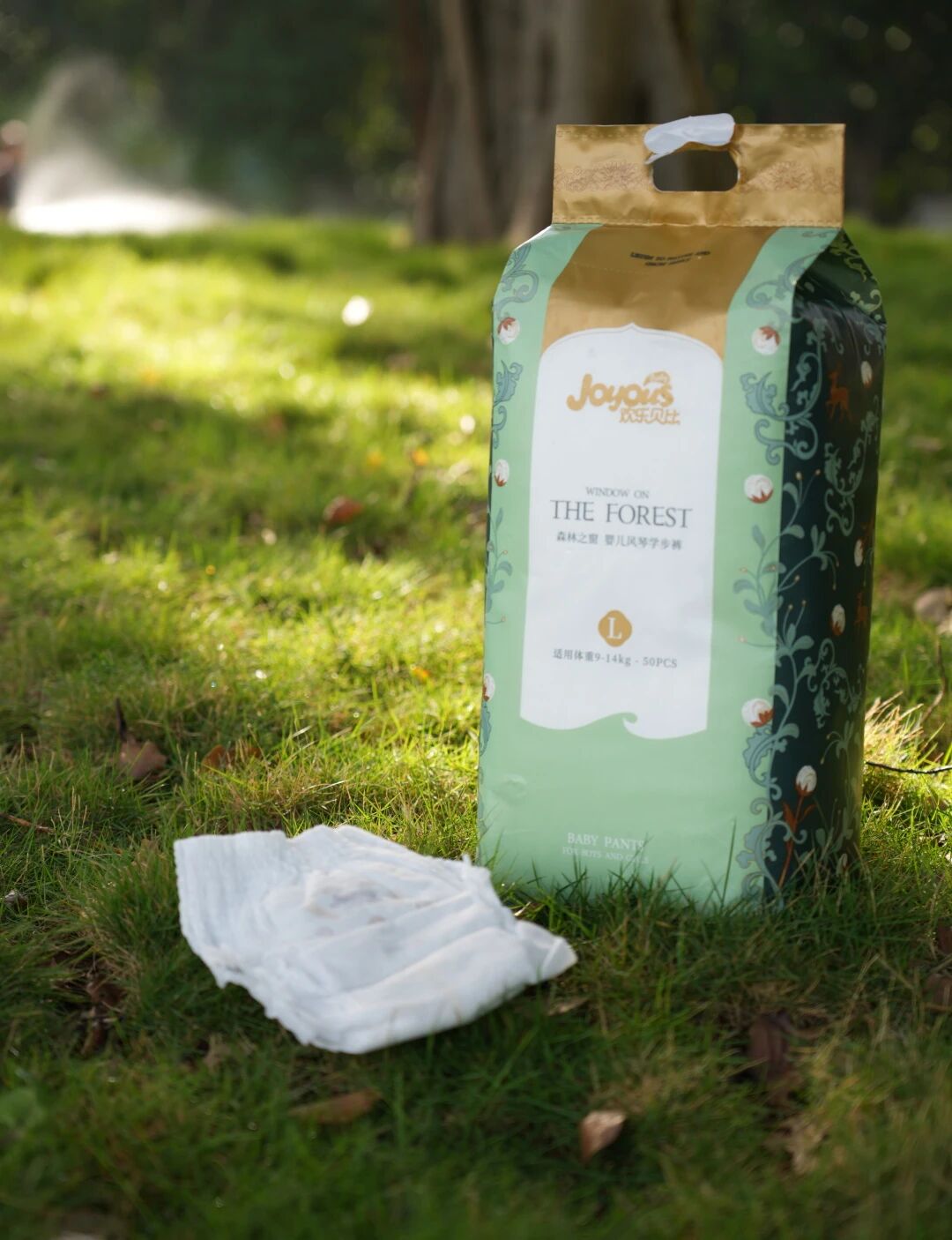
2. Forest Window Series
This series emphasizes ultimate breathability and natural inspiration. Its breathability and design philosophy suit families concerned about product airiness, comfort, and aesthetic appeal. This series can effectively meet consumer expectations for both product quality and visual appeal during the festive season.
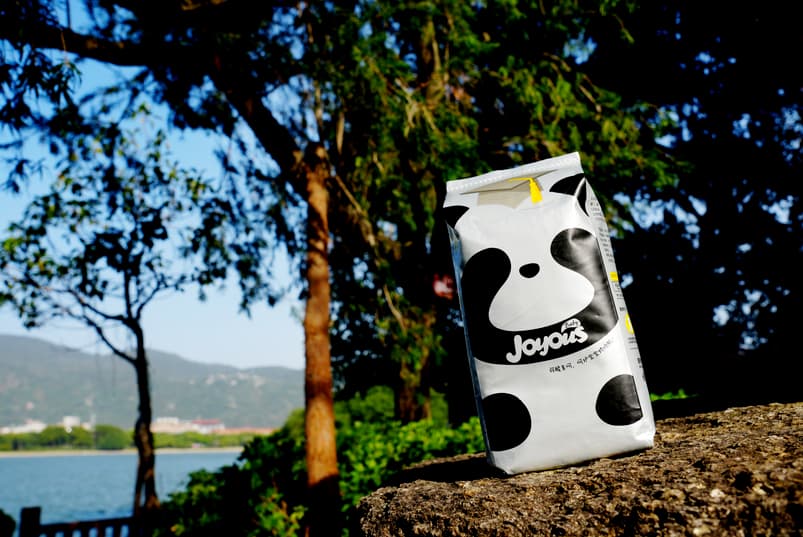
3. Panda Series Portable Pack
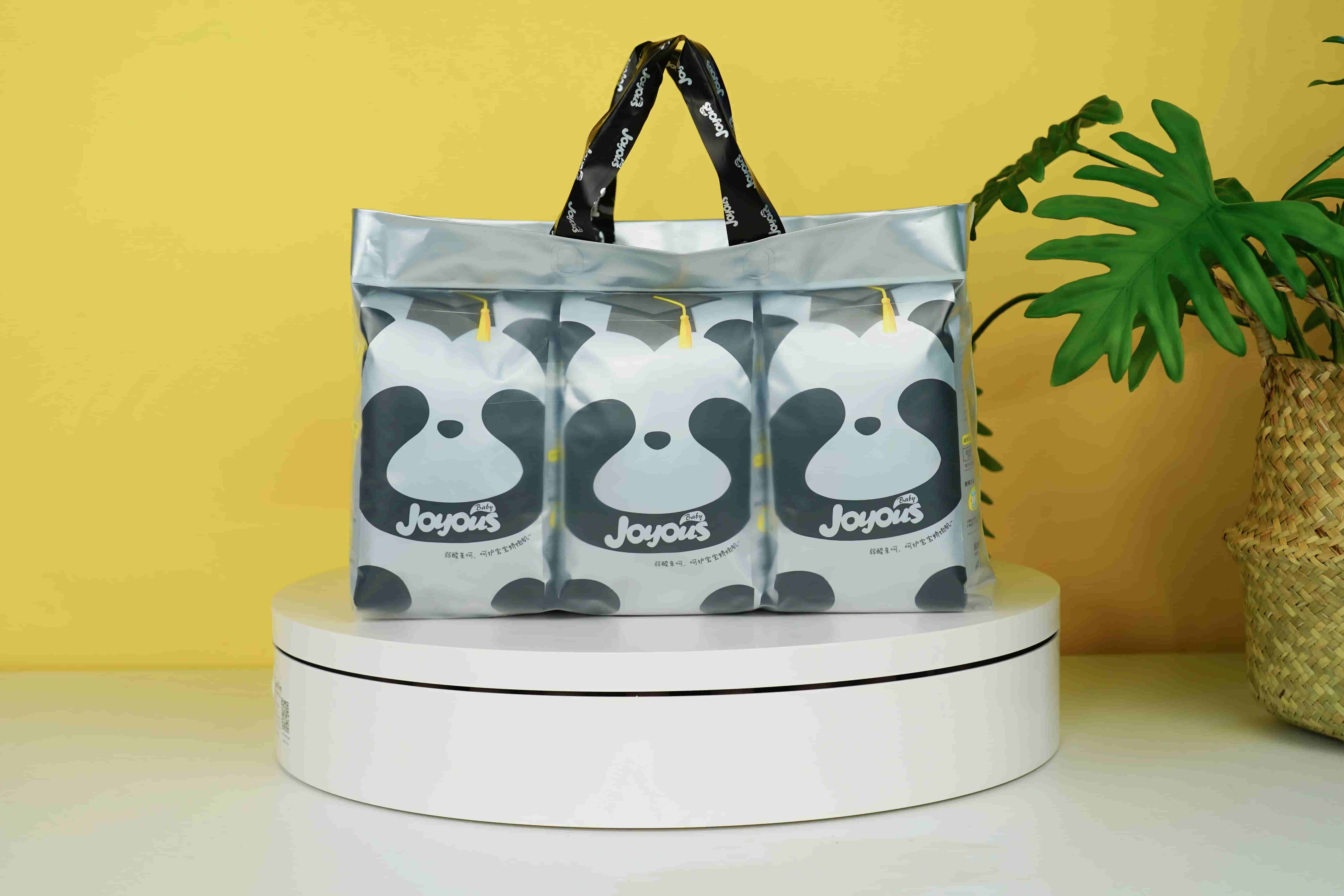
This series is the ideal choice for travel and convenience. Made with gentle, skin-friendly low-acidic materials, it helps maintain a balanced skin environment for babies. The independent portable packaging is not only hygienic and convenient but also saves retail shelf space. It is a favored product for parents on the go during the holidays and is suitable for promotions or travel sets.
We recommend selecting a mix of these series based on your target market's consumption preferences to comprehensively cover the needs of different customers.
Q5: Winter Baby Diapers Quanzhou Factory Direct Global Wholesale
- A:
Light Feather Winter Baby Diapers Quanzhou Factory Direct for Global Importers and Wholesalers
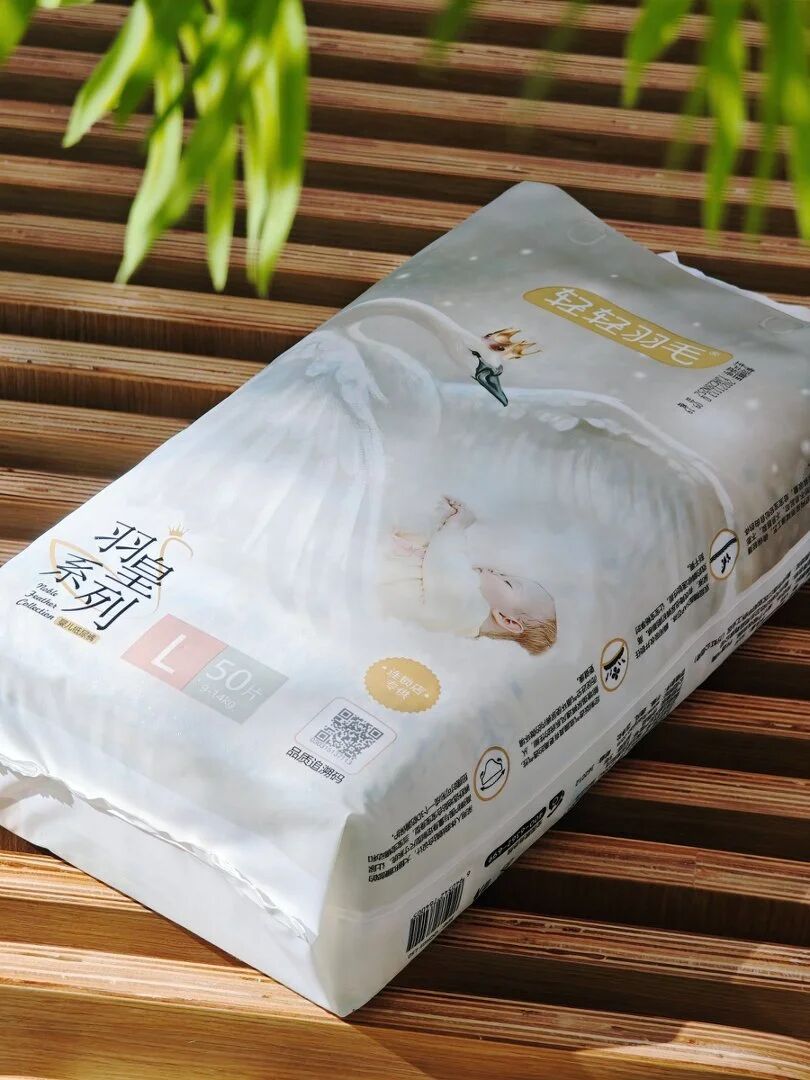
The cold and dry winter season drives high demand for baby diapers with warmth retention long-lasting dryness and anti rash performance in the global maternal and infant market. As a professional baby diaper manufacturer based in Quanzhou China we have developed the Light Feather Winter Exclusive Baby Diapers by integrating market demand insight and independent R&D capabilities. Our factory direct supply model skips middlemen and provides high competitiveness products for global importers distributors and wholesalers helping partners seize the winter baby diaper market dividend.
Factory Engineered Core Technologies for Winter Care
Our factory focuses on solving the core pain points of baby diaper use in cold weather and builds product competitiveness through three independent R&D core technologies perfectly balancing warmth and dryness for winter baby care.
Dual Super Absorption Core All Night Dry and Anti Chill
Independently developed by our professional R&D team the dual super absorption core delivers ultra large absorption capacity and rapid water locking performance. One piece for the whole night firmly locks urine without rewetting or side leakage reducing the frequency of diaper changes in low temperature and avoiding baby cold exposure. It becomes the core selling point for terminal sales in the winter global market.

3D Willow Pattern Soft Top Sheet Anti Rash and Skin Friendly
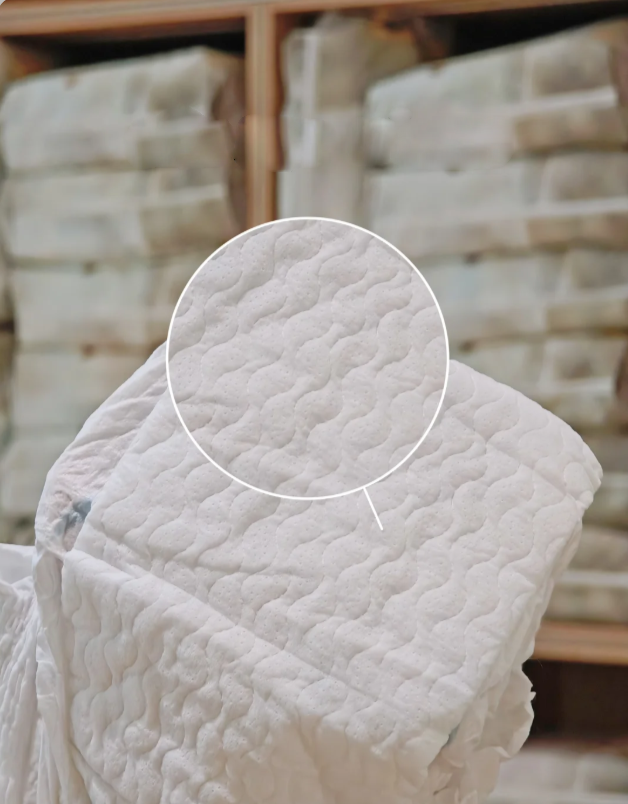
Crafted by our factory with sophisticated production technology the bionic 3D willow pattern perforated top sheet features double sided fleece texture which minimizes skin friction and avoids red marks on baby delicate skin. The scientific perforated structure greatly improves air permeability and urine diversion efficiency keeping baby skin dry for a long time and fundamentally solving the winter rash problem that the global market cares about.
Breathable Warm Lock Back Sheet Moisture Release and Warm Retention
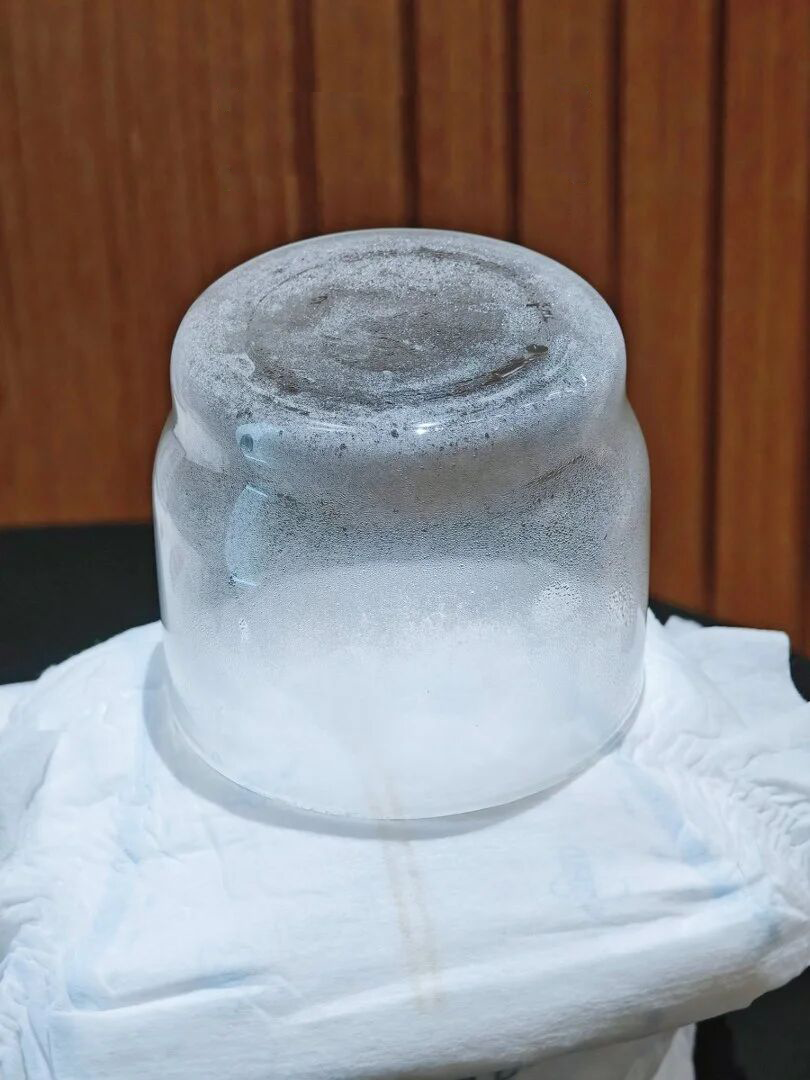
Our factorys innovative high density breathable back sheet is designed with dense air permeability microholes. While quickly absorbing urine it effectively discharges stuffy and humid air inside the diaper maintaining a constant temperature and dry internal environment. It is like a breathable warm armor for babies keeping their buttocks warm and dry even in severe cold winter weather.
Factory Refined Practical Details for Winter Usage
Based on the global winter usage scenarios of baby diapers our factory has polished every product detail with rigorous craftsmanship to improve the overall user experience and help cooperative partners build a good market reputation worldwide:
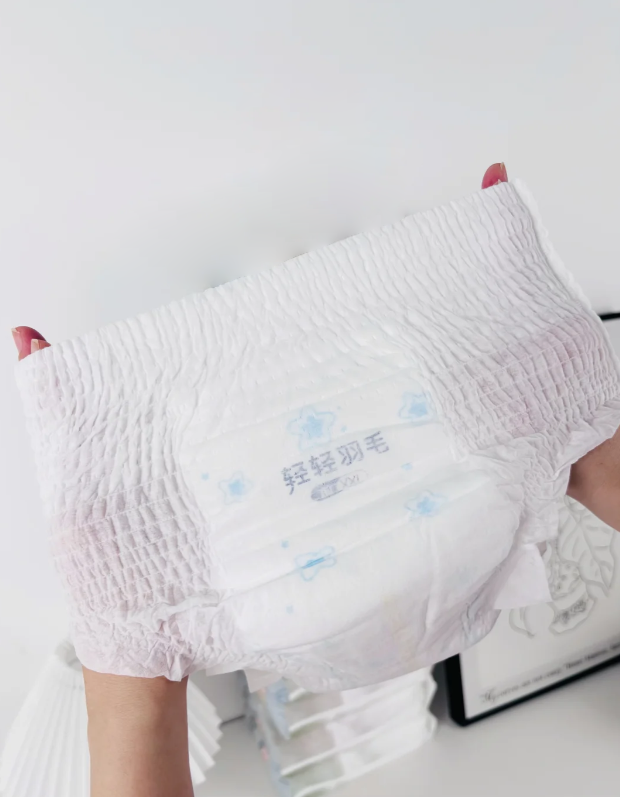
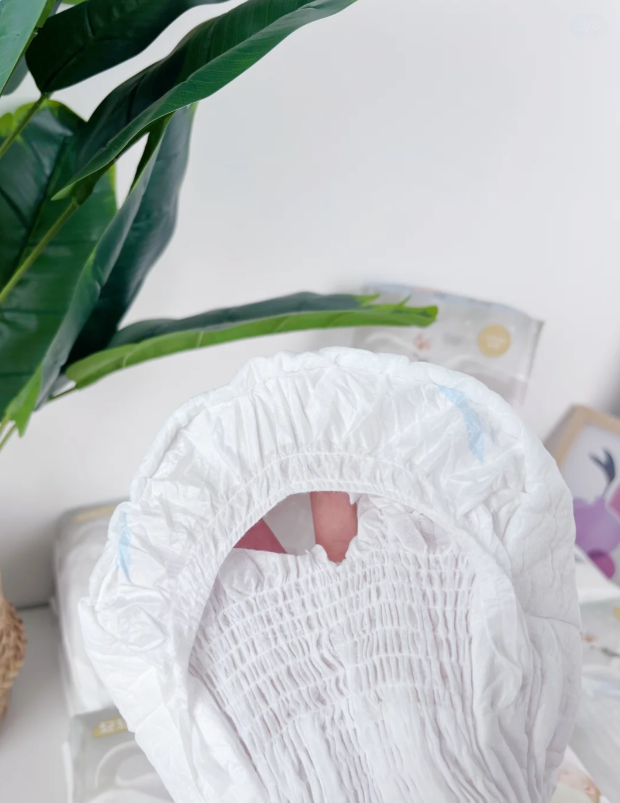
Elastic waist and leg cuffs with moderate elasticity for comfortable fit without tightness suitable for babies wearing thick winter clothes
High anti leakage barriers for all round side leakage prevention avoiding urine leakage and keeping babys clothes dry and warm
Clear wetness indicator for easy and quick check of urine volume convenient for timely replacement and reducing the risk of baby cold exposure during diaper changes
Our Quanzhou Factory Strength and Global Cooperation
As a baby diaper manufacturing enterprise with mature R&D and production system in Quanzhou our core advantage for global cooperation is factory direct supply professional customization and reliable quality guarantee:

Professional R&D team focuses on continuous innovation of baby diaper products and can develop customized products according to the market demand and usage habits of different countries and regions
Standardized production workshop adopts advanced automated production lines to ensure stable and consistent product quality and large batch continuous supply capacity
Flexible OEM and ODM services support custom logo packaging and product specifications to meet the personalized market needs of global partners
Factory direct ex factory price skips all middlemen links to provide competitive pricing and increase the profit space of global cooperative partners
Efficient global logistics cooperation with well known international logistics companies to ensure stable and controllable delivery cycle for global shipments
Contact Us for Global Wholesale Cooperation
Light Feather winter baby diapers with factory developed core technologies and refined practical details perfectly meet the demand of the global winter baby care market. Our Quanzhou factory is committed to providing high quality and high competitiveness baby diaper products and one stop cooperation services for global importers wholesalers and distributors.
Contact us now to get the latest factory wholesale price list and sample application information and jointly explore the huge potential of the global winter maternal and infant market with our professional manufacturing strength.
Q6: Frequent Diaper Leaks in Winter? All Your Concerns Answered Here!
- A:
As the temperature drops, many wholesale and distribution partners have been complaining: diapers that sold well in summer are now frequently triggering leakage complaints in winter. While mothers are frustrated, we are also faced with returns and negative reviews, which almost ruin the prosperous peak-season business.
We have compiled all the questions about winter diaper leaks that concern you, with detailed answers and practical tips to help you easily resolve after-sales issues, stabilize repurchases, and confidently profit during the peak season!
Q1: They sold well in summer, so why do diapers easily leak in winter?
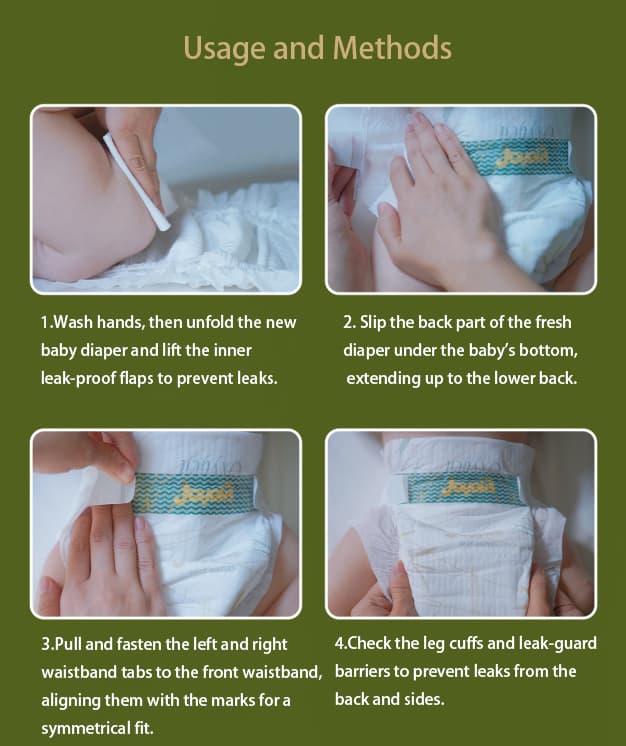
Actually, the core issue is not the product itself, but the wearing adaptation under special winter scenarios! In winter, babies wear thick clothes. On one hand, the thick clothes will squeeze the diapers, causing the leak-proof cuffs to deform and the fit to decrease; on the other hand, when mothers put on or take off the thick clothes for their babies, they tend to ignore the correct diaper wearing steps, such as not flattening the leak-proof cuffs or sticking the Velcro askew. These small details can all lead to leaks.
Q2: How to teach mothers to choose the right size to avoid leaks caused by incorrect sizing?
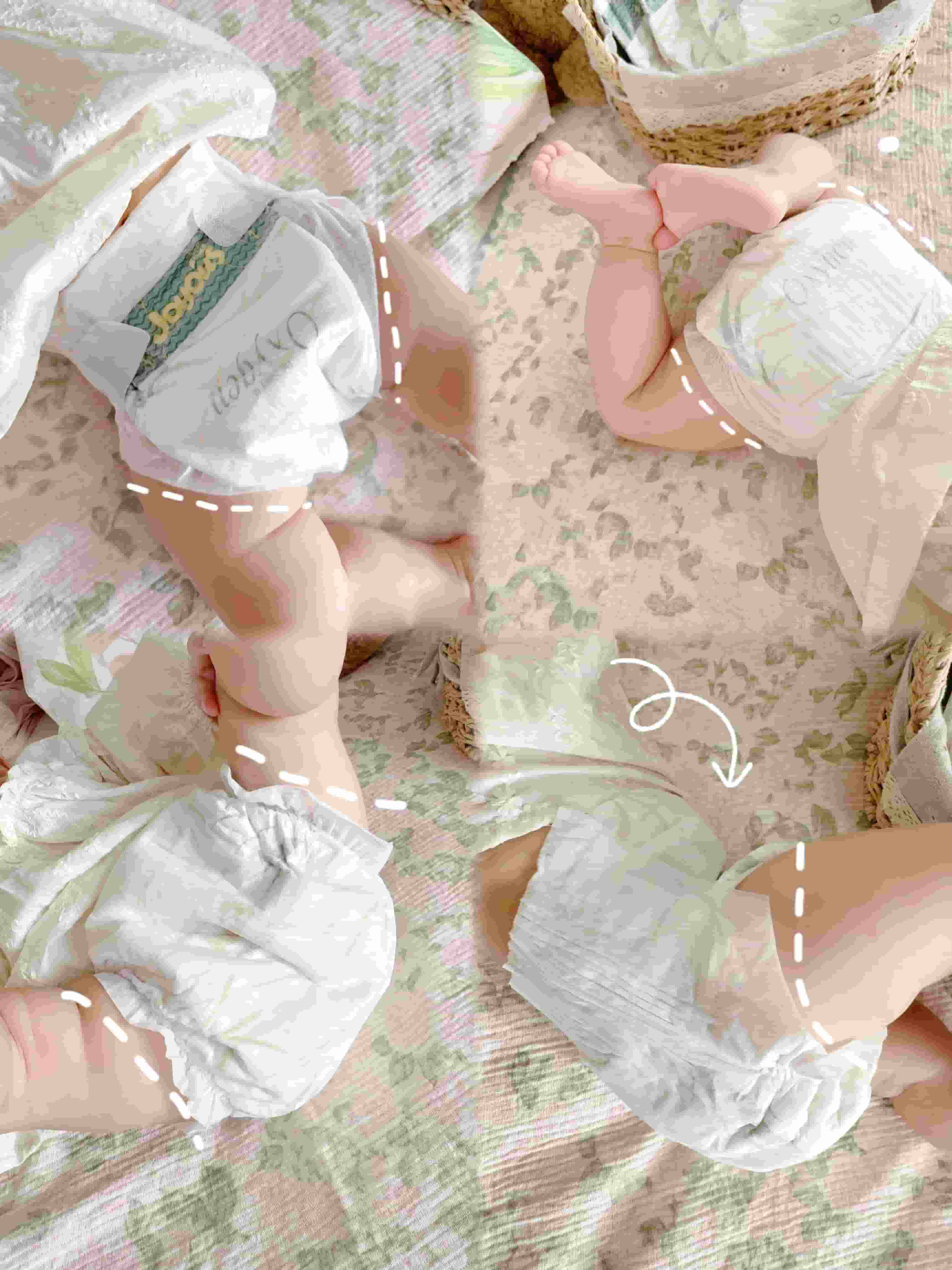
Many leakage problems stem from choosing the wrong size! Remind mothers not to choose the size based on feeling, but must strictly match the size according to the baby's weight. Even if the baby wears thick clothes in winter, do not casually choose a larger size.
Teach mothers a simple judgment standard: after putting on the diaper, insert a finger into the baby's thigh root. If it can be easily inserted, it means the size is appropriate—too loose will easily cause leaks, while too tight will strangle the baby and may squeeze the core to affect absorption.
Q3: What are the correct wearing steps? Which links are the key points to focus on?
Correct wearing is the key to leak prevention. Teaching mothers these 3 core steps can solve 80% of leakage problems:
1. First, pull out the leak-proof cuffs: before putting on the diaper, be sure to run your fingers along the three-dimensional leak-proof cuffs on both sides of the diaper to fully flatten and evert the cuffs. This is the first line of defense against leaks, so never skip it;
2. Align the Velcro: when sticking the Velcro, align it with the scale line on the waist to ensure that both left and right sides are symmetrical and not askew. Askew sticking is likely to cause side leaks;
3. Adjust the waist tightness: remember the principle that "the back waist is higher than the front waist". After sticking, insert two fingers into the waist. If they can be easily inserted, it is appropriate. This not only ensures a good fit but also does not strangle the baby, avoiding urine leakage from the back waist.
Q4: Are there any exclusive precautions for wearing diapers in winter?
Due to the thick winter clothes, additionally remind mothers to do these 3 checks, which will greatly reduce the probability of leaks:
1. Recheck after putting on the coat: after putting on the thick coat for the baby, reach out to feel the diaper to confirm that it is not deformed by the clothes and the leak-proof cuffs are not crushed;
2. Prefer to wear while lying down: let the baby lie down when putting on the diaper, which makes it easier to put on the diaper neatly. Standing to wear may easily lead to poor fit due to the baby's twisting;
3. Strictly control the usage time: the maximum usage time of diapers in winter should not exceed 4 hours. For nighttime use, directly recommend large absorption capacity styles. Do not let mothers hold the idea of "one diaper for the whole night", as long-term use will saturate the core and cause leaks.
Q5: What are the common misunderstandings of mothers about diaper leaks? How to correct them?
Many leakage problems are caused by mothers' wrong perceptions. Help shopping guides correct these 3 misunderstandings:
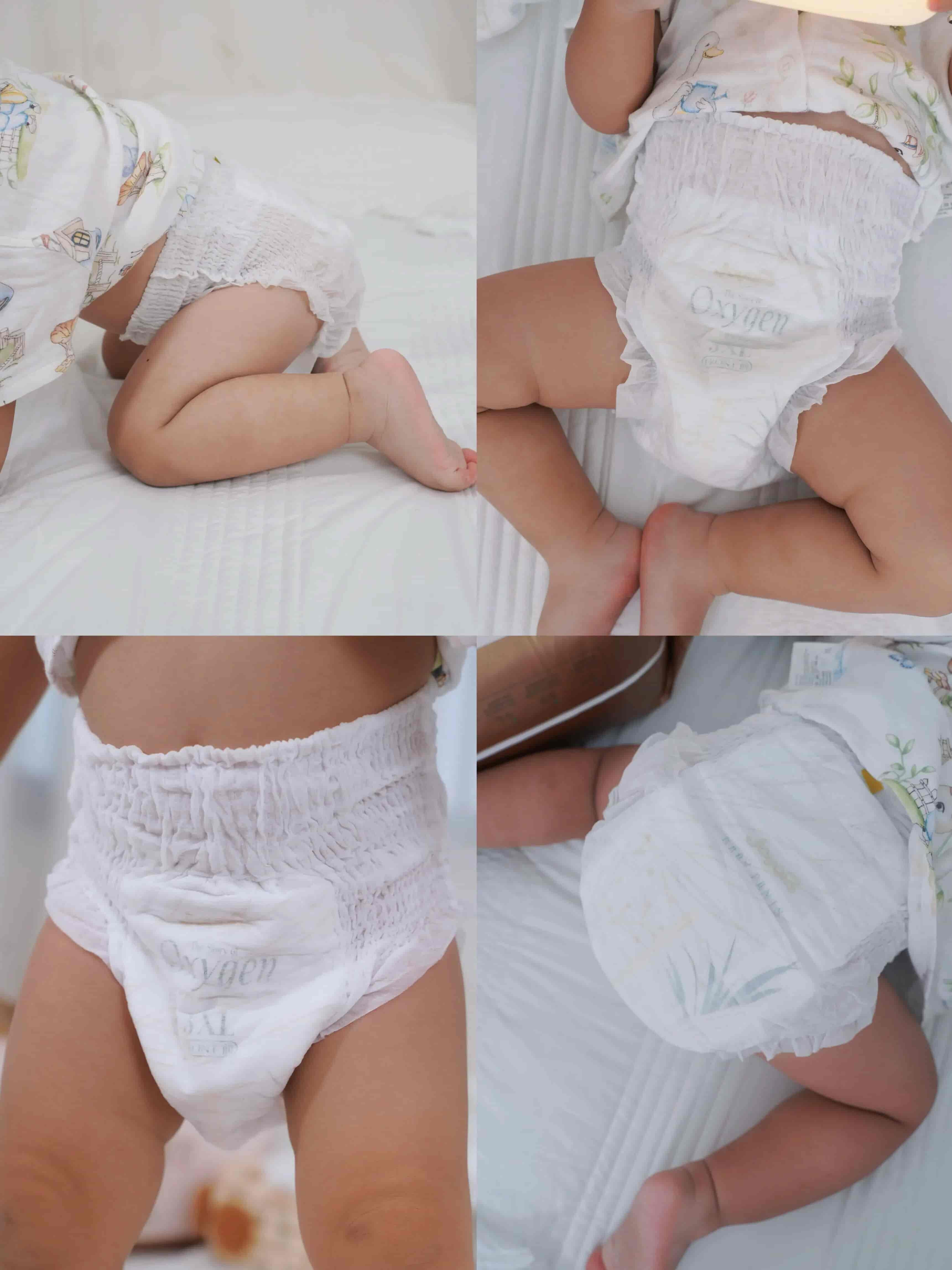
❌ Misunderstanding 1: The tighter the fit, the better the leak prevention—Correction: Too tight will squeeze the core, leading to urine leakage from the waist side instead, especially for baby boys. A proper fit is the key;
❌ Misunderstanding 2: One diaper for the whole night—Correction: Even the most absorbent diaper cannot withstand a night of urine soaking. It will not only easily leak but also may cause diaper rash. It is recommended to change to a new diaper before going to bed;
❌ Misunderstanding 3: Only recognize brands and ignore fit—Correction: Every baby has different waist and thigh circumferences. What works for others may not be suitable for your own baby. It is recommended to provide sample trials, allowing mothers to try before buying to reduce returns.
Q6: What are the core points for choosing the right diaper suitable for winter?
Choosing the right product can get twice the result with half the effort! A diaper suitable for winter should focus on these 3 core characteristics:
1. Strong instant absorption and water locking: Equipped with a core instant absorption and water locking layer, which can quickly absorb urine and lock it firmly, keeping dry without rewetting for 12 hours, meeting the needs of nighttime use;
2. Excellent leak-proof design: Double-layer three-dimensional leak-proof cuffs + elastic waist and thigh cuffs can fit the baby's body shape stably, not easy to leak no matter crawling, climbing or jumping, and suitable for scenes with thick clothes;
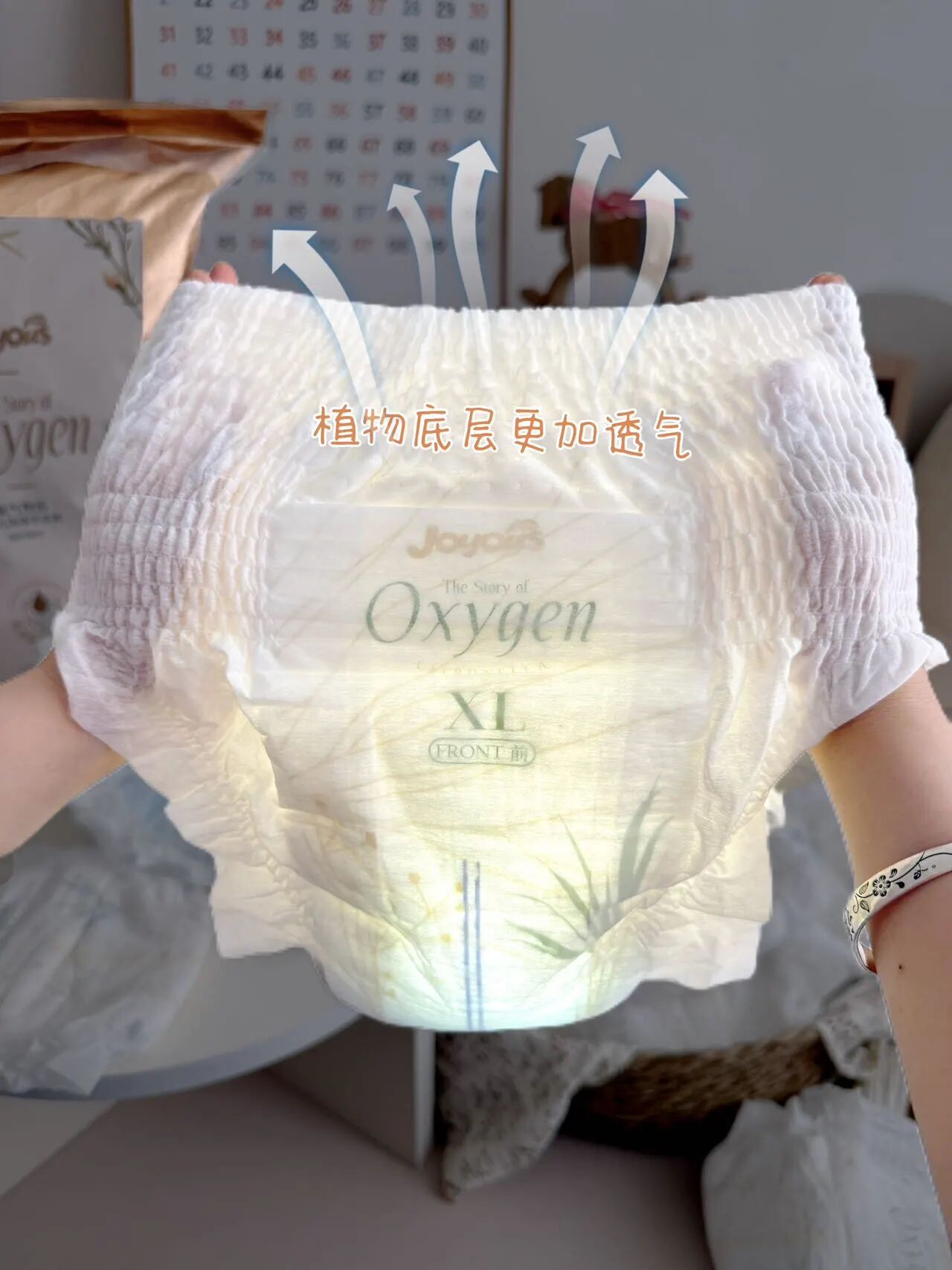
3. Breathable and non-stuffy: Adopt breathable microporous material, so that the baby's little buttocks can "breathe freely" even when wearing thick clothes, reducing diaper rash and lowering after-sales complaints.
Q7: What benefits will these measures bring to our business?
Winter is the peak sales season for maternal and infant products. Solving the leakage problem well can help you grasp two core advantages: first, reduce after-sales returns and negative reviews, and avoid unnecessary losses; second, help mothers solve practical pain points, establish trust, increase repurchase rates, and bring new customers through mothers' word-of-mouth communication.
Profiting in the peak season relies on the ability to solve problems! Pass these FAQs and practical tips to store shopping guides to help mothers easily deal with winter diaper leakage problems, and our business will naturally be more stable and prosperous~
Q7: Effective Strategies to Prevent Winter Diaper Leaks
- A: Why Diapers Leak More Often in Winter — And How to Prevent It
As temperatures drop, many parents notice their baby’s diapers leaking more frequently — leading to wet clothes, bedding, and worries about their little one staying dry and comfortable. If your customers have been raising this issue, it’s helpful to understand why winter can increase the risk of leaks, and how the right diaper design and usage habits can help.
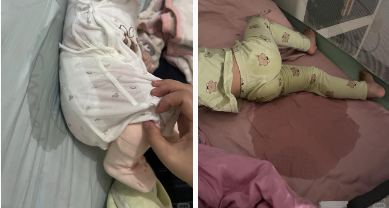
Why Leaks Happen More in Winter
Babies wear more layers, which can create gaps and cause the diaper to shift during movement.
Parents may change diapers less often to avoid exposing their baby to the cold, leading to over-saturation.
Four Common Causes of Winter Leaks (and Practical Fixes)
Wrong Size Choice
Some parents size up for warmth, but a diaper that’s too large leaves extra space around the waist and legs. Recommend choosing a snug yet comfortable fit — with just enough room for one to two fingers at the waistband.
Incorrect Diaper Positioning
The back waistband should sit at or just below the belly button. The leg cuffs should be gently pulled out after fastening to create a secure barrier. Symmetrical fastening of the waist tabs also improves fit.
Not Changing Frequently Enough
Even high-absorption diapers have limits. In winter, remind parents to check diapers every 2–3 hours during the day, and always after feedings or before naps.
Clothing That’s Too Tight
Tight-fitting pants or onesies can press against the diaper and affect its shape and performance. Suggest loose separates or roomy sleepers during colder months.
What Makes a Diaper Perform Well in Winter?
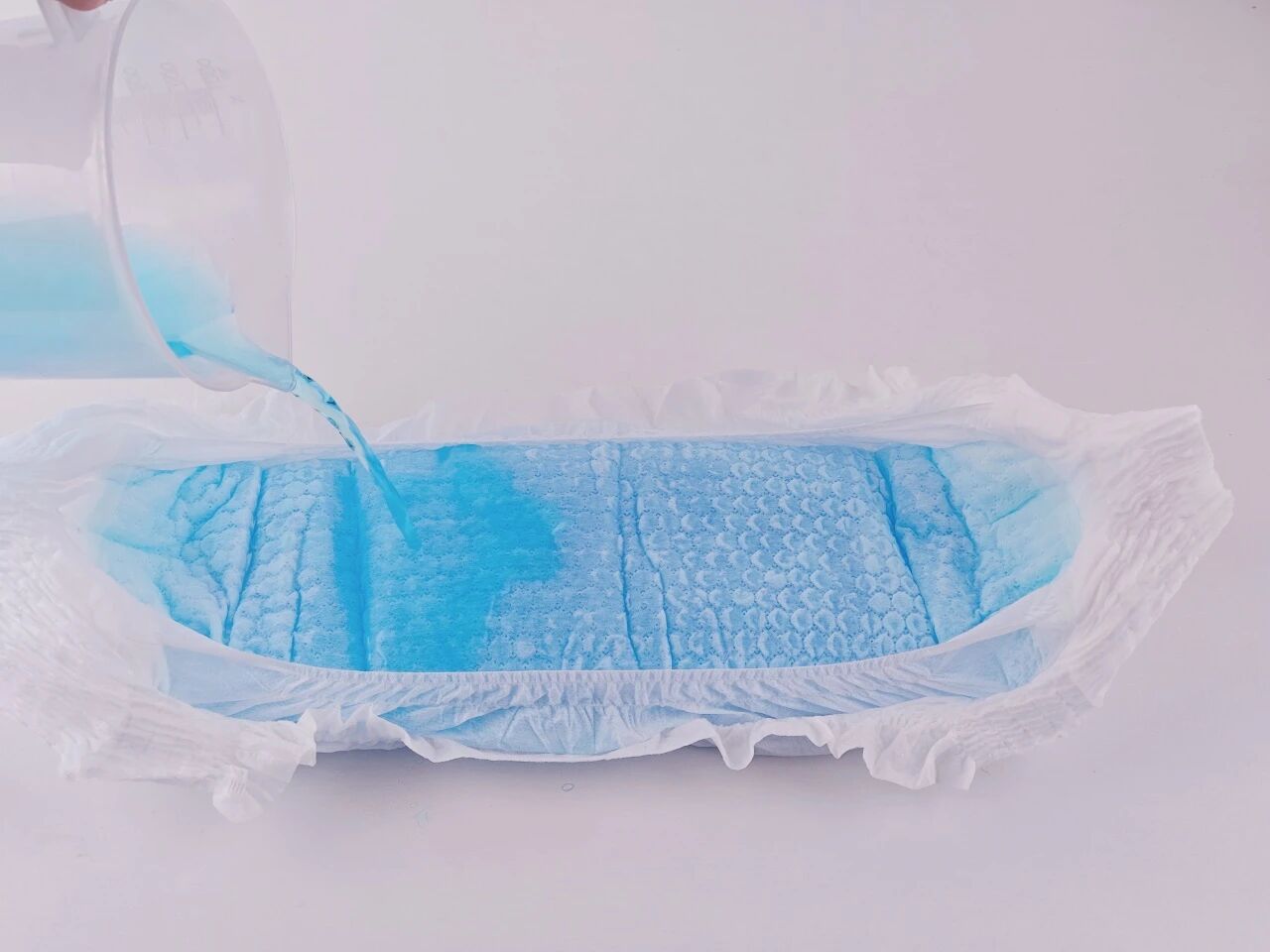
Fast Absorption + Strong Locking Core
Look for a diaper with a quick-absorbing core that distributes moisture evenly and locks it in to prevent rewet. This keeps the surface drier for longer.
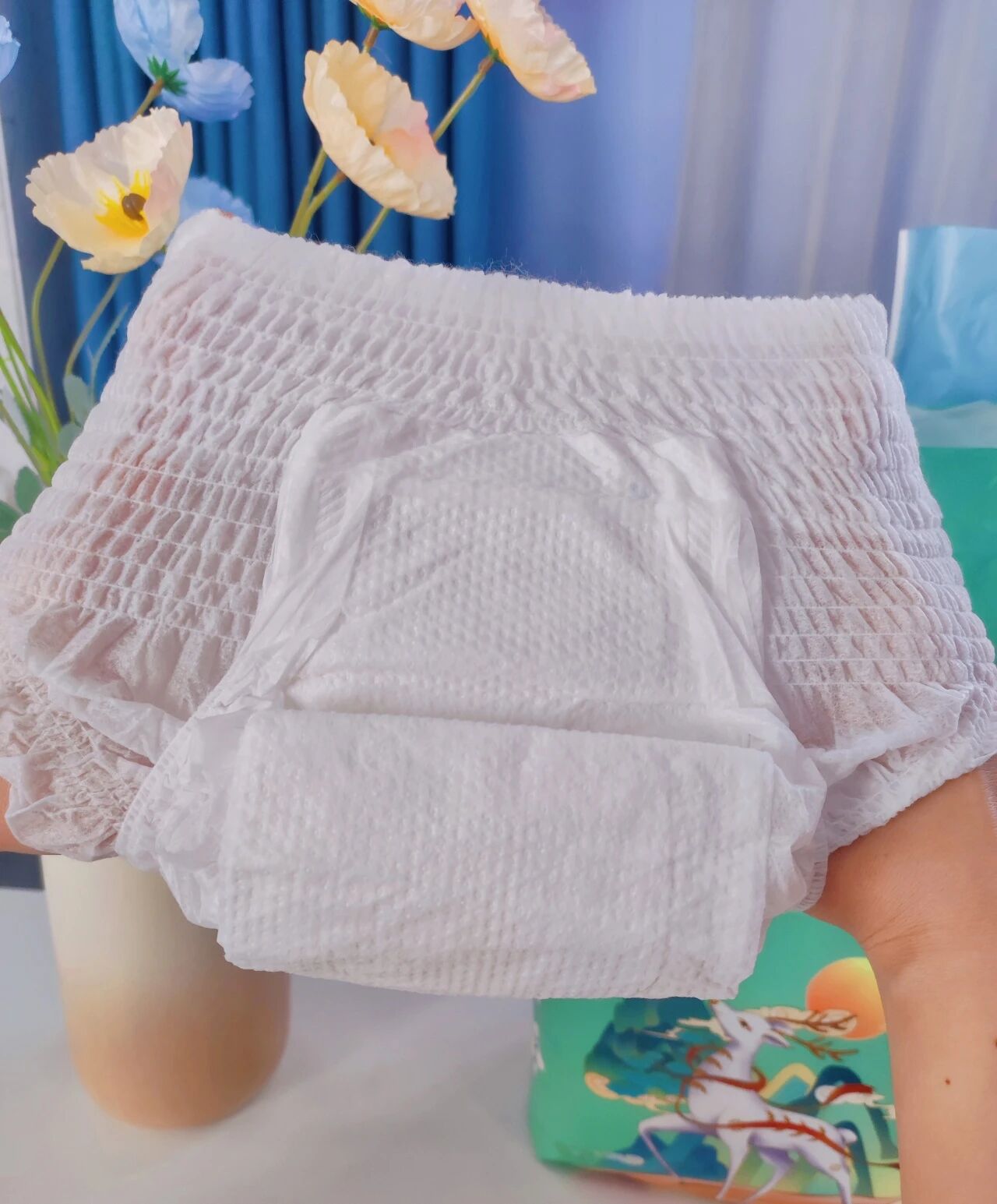
Soft, Breathable Materials
A gentle top sheet reduces friction and is especially important when babies are wearing multiple layers.
Flexible, Contoured Fit
Stretchable waistbands and leg elastics help the diaper move with the baby, maintaining a secure seal even during active moments.
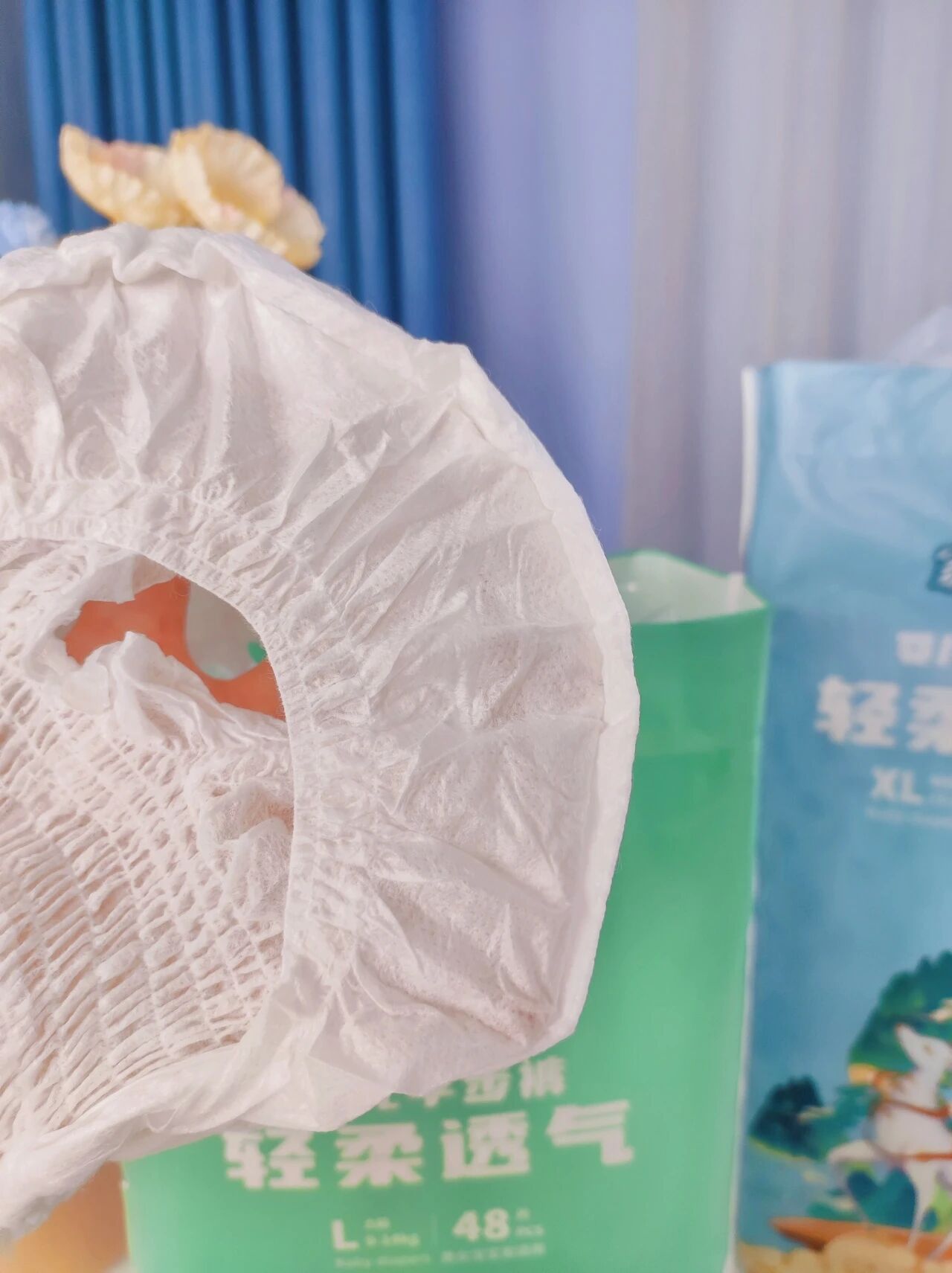
Built-In Leak Guards
Well-designed standing leg cuffs and back barrier strips can help contain both urine and loose stools, reducing the chance of leaks.
Tips You Can Share with Customers for Winter Changes
Warm the room beforehand if possible.
Keep all changing supplies within arm’s reach.
Cover baby’s upper body with a light blanket during changes to prevent chilling.
When Should You Consider a Different Diaper?
If leaks persist despite proper sizing and frequent changes — especially if they occur in the same area every time — it may be time to try a different design or brand.
Looking for Diapers That Keep Babies Dry All Winter?
If you’re a retailer or distributor searching for reliable, leak-resistant diapers designed for real-life use in every season — we can help.
Our factory specializes in producing high-performance diapers with features like:
Dual-core absorption technology
3D soft topsheet and stretch sides
Advanced leak-guard barriers
Customizable sizing, materials, and packaging
Let’s discuss how we can support your business with quality diapers that parents trust.
Q8: Winter Baby Care Diaper Selection FAQ
- A:
Q1: What key parts of babies need to be focused on for warmth in winter? How to guide consumers to protect them?
A: The key parts include head, abdomen, feet and hips. Guidance for consumers is as follows: 1. Head: Recommend comfortable and breathable hats, and emphasize wearing them when going out in low-temperature and windy environments; 2. Abdomen: Advise choosing high-waisted pants, longer tops and 100% cotton innerwear for babies, and remind consumers to let babies drink warm boiled water regularly; 3. Feet: Recommend warm shoes and 100% cotton socks, and prompt regular sock replacement to avoid dampness and cold; 4. Hips: Guide consumers to choose breathable and high-absorption diapers to avoid stuffiness and dampness.
Q2: Many consumers think thicker diapers have better absorption in winter. How to correct this misunderstanding and recommend suitable products?
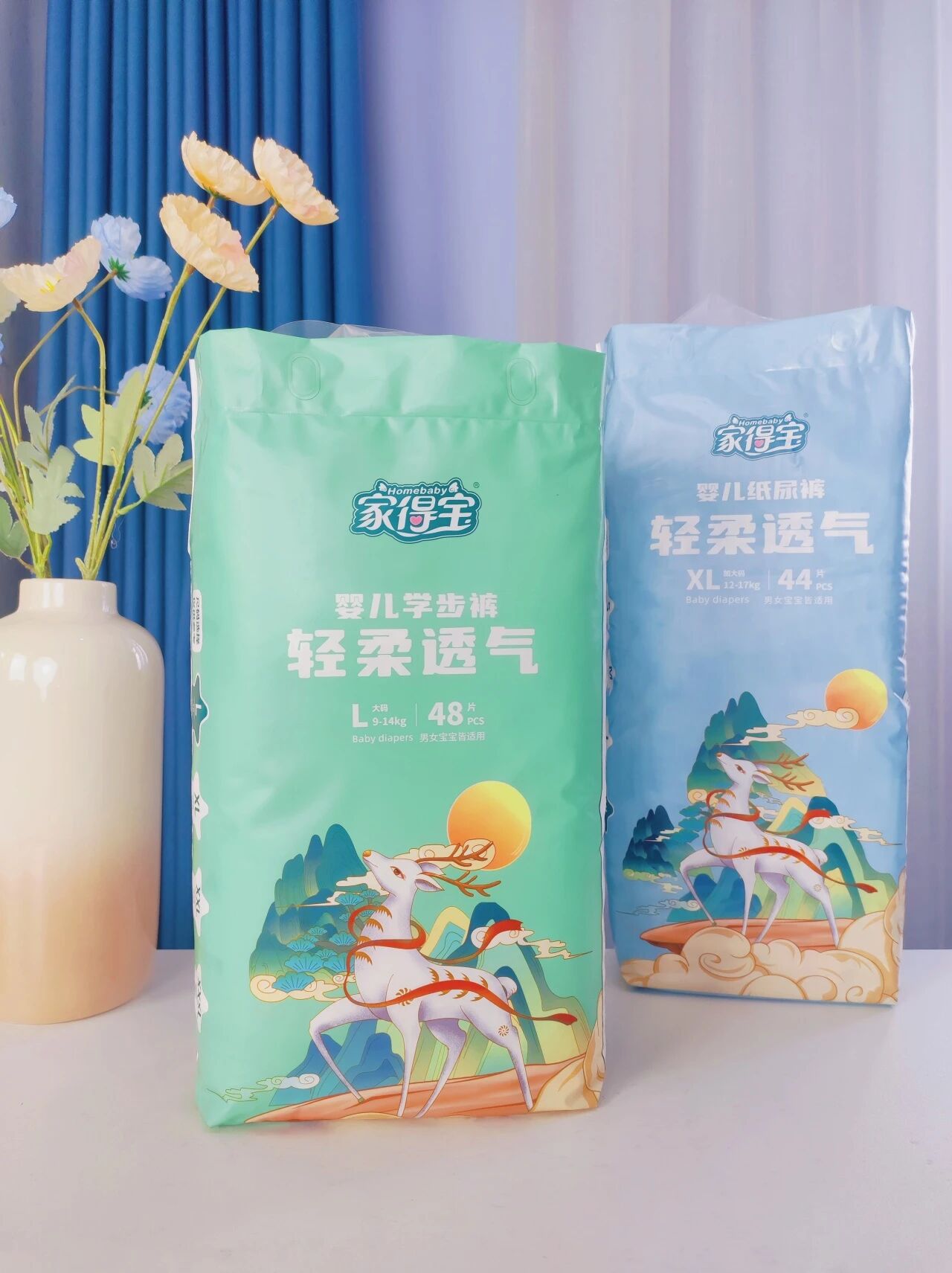
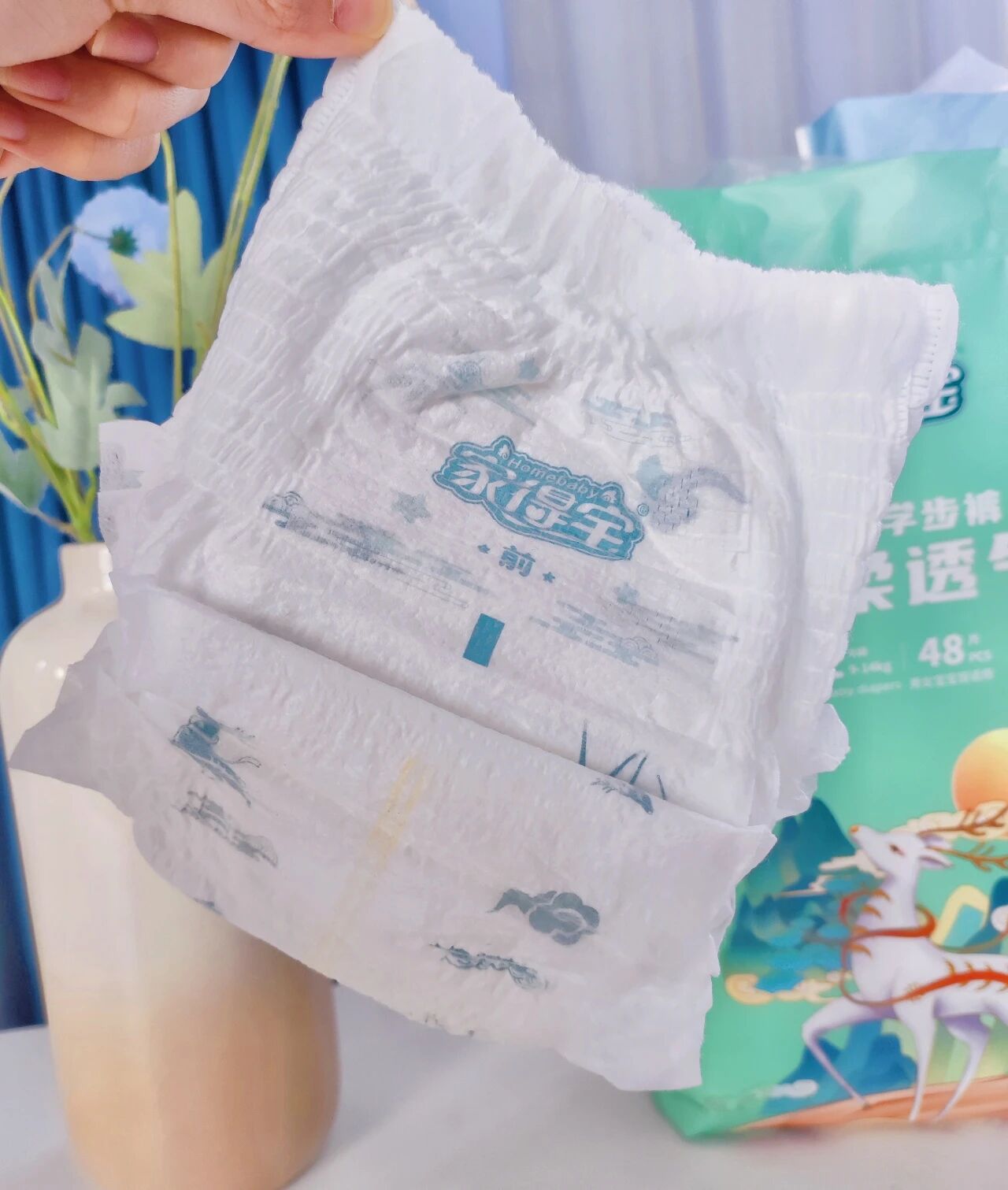
A: It is a common misunderstanding that thicker diapers are better. With advanced diaper technology, lightweight core designs can achieve excellent absorption effects. It is recommended to guide consumers to focus on product technology rather than thickness. For example, Homebaby national trend series baby diapers adopt a lightweight core design, which not only has strong absorption capacity but also reduces the burden on babies, and is more breathable and comfortable, perfectly adapting to winter use needs.
Q3: What are the core advantages of Homebaby national trend series diapers for winter use? How to match them with consumer needs?
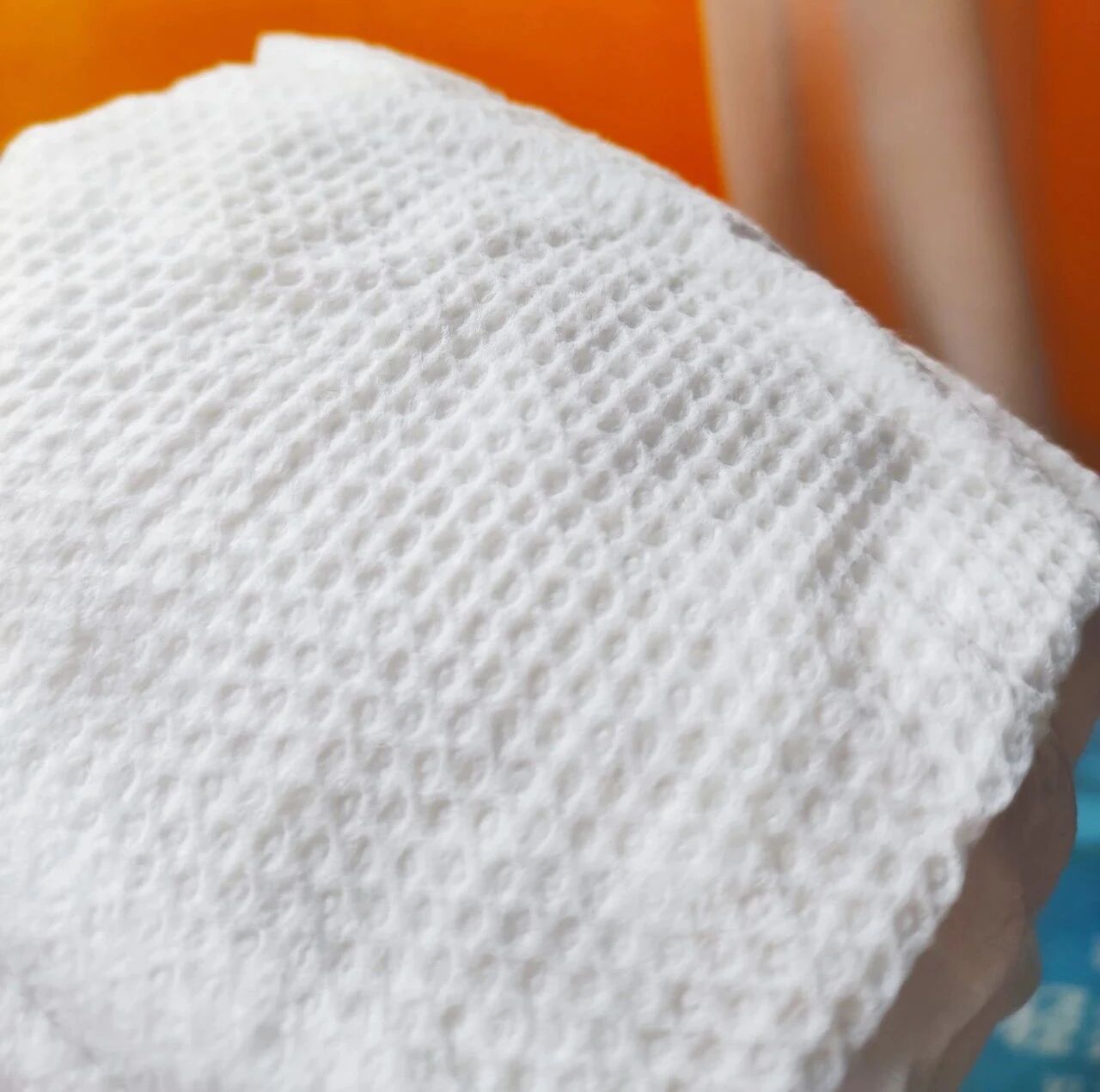
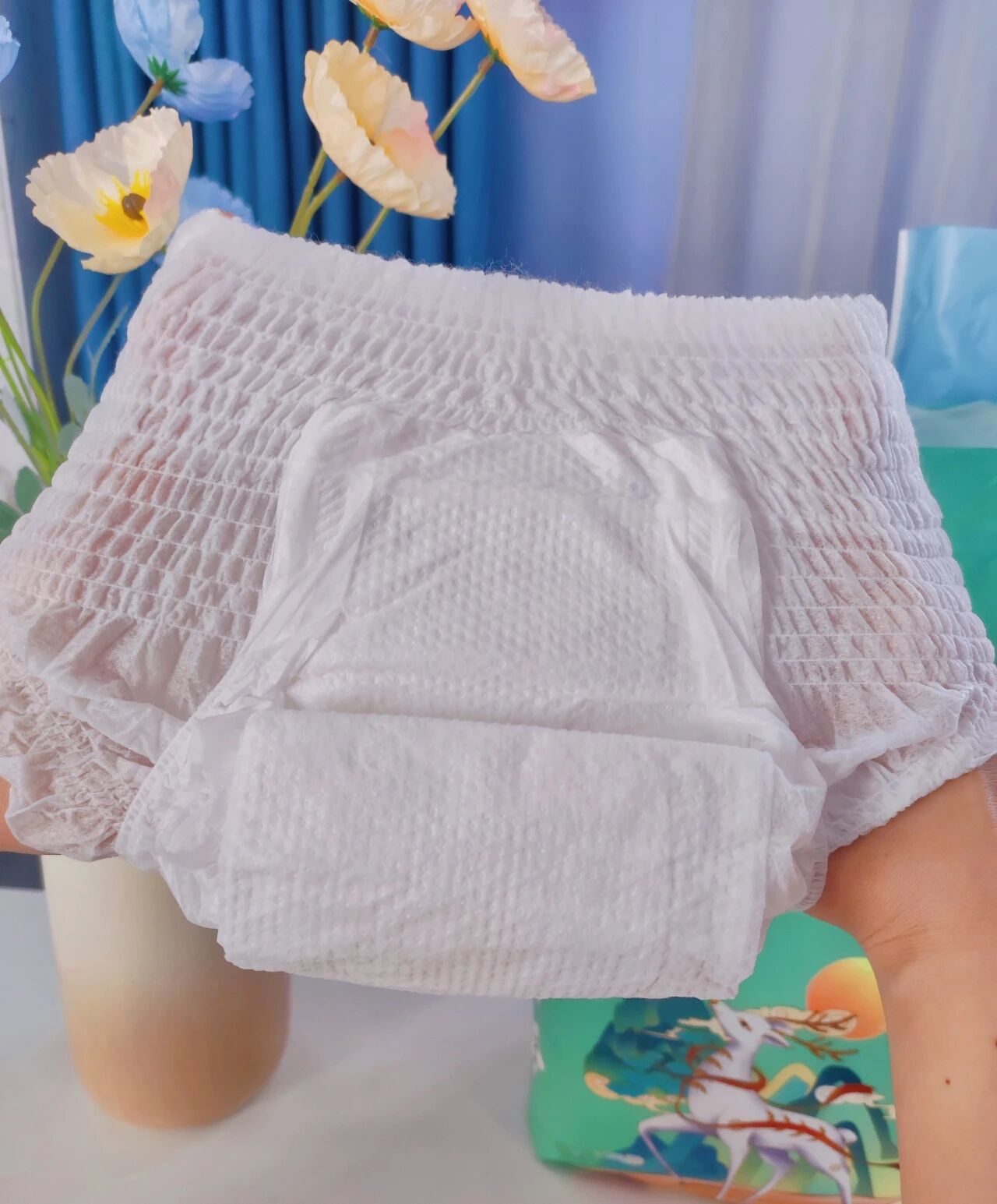
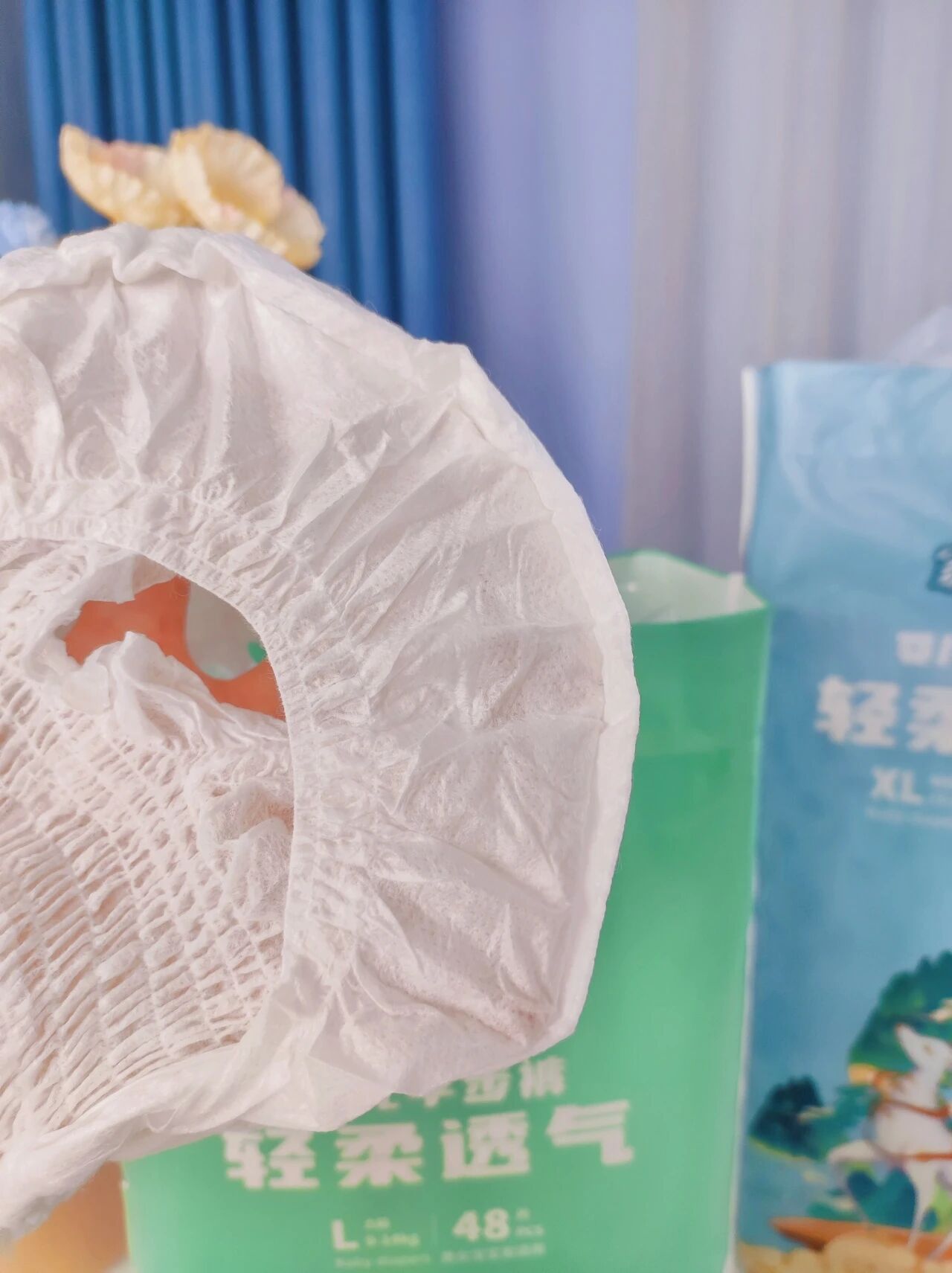
A: The core advantages are closely matched with winter consumer pain points, mainly including 3 aspects: 1. Concave-convex surface design for enhanced breathability: The special surface technology makes the contact with the baby's skin fluffy and soft, reducing irritation from feces and urine. The concave design increases air permeability, solving the problem of hip stuffiness in winter; 2. Lightweight and comfortable wearing: The lightweight pants body design ensures a non-sensing experience. Even if the baby wears multiple layers of clothes in winter, it will not cause tightness and discomfort, meeting the consumer demand for comfort; 3. Strong leak-proof performance: It can achieve multi-angle absorption of baby's urine, rapid guiding and infiltration, and no rewetting, effectively solving the winter leak-proof pain point that consumers are most worried about.
Q4: How to guide consumers to correctly choose and use baby diapers in winter?
A: 1. Selection criteria: Prioritize products with lightweight core, strong breathability, high absorption and reliable leak-proof performance, such as Homebaby national trend series; 2. Usage tips: Remind consumers to check the diaper wetness regularly and replace it in time, especially after the baby's defecation, to keep the hip dry and avoid cold and skin problems caused by long-term dampness.
Q9: Winter Baby Diaper Care Product Guide
- A: Q1: Why is diaper choice particularly important for baby care in winter?
A1: During winter, babies wear thicker clothing, which can reduce breathability around the diaper area. If a diaper is not sufficiently breathable and quick-drying, moisture and heat can build up easily, increasing the risk of diaper rash and skin irritation.

Q2: How does your diaper design help keep babies’ skin dry and comfortable in cold weather?
A2: Our diaper features a Soft Pearl-Tex Surface Layer made from skin-friendly non-woven fabric and lightweight air-flow fibers. The pearl-like embossing reduces direct skin contact, improves instant absorption, and keeps the surface drier, minimizing irritation.
Q3: What core technology ensures long-lasting dryness without bulkiness?
A3: We use an SAP Dual-Action Absorption Core that offers high-capacity moisture retention while maintaining a slim profile. It resists clumping and sagging, ensuring consistent dryness and comfort, even under multiple layers of winter clothing.
Q4: How does the diaper provide a comfortable fit without leaving marks?
A4: The Breathable Bellows Waistband is crafted using ultrasonic bonding technology to create a soft, micro-ventilated structure. It wraps gently like a second skin, avoiding red marks and tightness, and offers 360° flexibility for babies of all sizes.

Q5: Does the diaper prevent leaks during active movement?
A5: Yes. Along with the secure waistband, the diaper includes Leak-Guard Barriers that effectively contain moisture even when babies are more active, ensuring reliable protection throughout the day and night.
Q6: What winter care tips can you share to support parents?
A6: We recommend:
Gently cleaning and drying baby’s skin before diaper changes, followed by a mild moisturizer.
Incorporating light massage or stretching after baths to promote circulation.
Maintaining a consistent sleep schedule, including naps.
Keeping the home environment calm to support baby’s emotional well-being.
Q7: Is this diaper suitable for all baby body types?
A7: Absolutely. The flexible waistband and adaptive design ensure a snug yet gentle fit for both fuller and slimmer babies, providing comfort and security without compromise.
Q8: Where can I learn more about your product range or request samples?
A8: Please visit our Product Catalog page or contact our wholesale team directly for detailed specifications, pricing, and sample requests. We are here to support your business needs.
Let me know if you would like this tailored further for a specific platform or audience.
Q10: An Active Care Solution for Baby's Winter Skin
- A: Q1: What are the most common skin problems for babies in autumn and winter?
When the weather gets cold and dry, babies' skin has a harder time adjusting. It often becomes dry, itchy, and even rough, leading to what we call "red apple cheeks." The diaper area is even more vulnerable because it's enclosed. If not cared for properly, it's much easier for diaper rash to appear, which really worries parents.
Q2: What are parents most concerned about when choosing diapers these days?

Today's parents are very knowledgeable. They want more than just a diaper that "doesn't leak." They hope the diaper can actively protect their baby, especially by helping to prevent diaper rash, becoming a true daily skincare partner for their baby's skin. Put simply, they are paying for "peace of mind."
Q3: What exactly makes our new product better than ordinary diapers?
The biggest difference is that it upgrades from "passive leakage protection" to "active care."
Ordinary Diapers: Rely mainly on the material's absorption and breathability to isolate wetness. This is basic protection.
Our New Product: On top of excellent basics, it adds natural soothing ingredients. It forms an invisible "protective film" on the baby's skin, actively helping to calm the irritation caused by urine and friction, soothing the potential for diaper rash before it even starts.

Q4: Is the soothing ingredient added safe? Which babies is it suitable for?
You can rest assured. The soothing ingredient we use is extracted from natural plants, is very gentle, and can be used safely even by newborns or babies with particularly sensitive skin.
It's especially suitable for these types of babies:
Newborns
Babies prone to diaper rash
Babies with sensitive skin
For families who pursue scientific parenting, this perfectly meets their need for precise and detailed care.

Q5: Besides using a good product, what other little tips are there for baby care in autumn and winter?
Of course! Giving parents some considerate advice along with the product will make them trust you more:
Dress in "Layers": Dress your baby in several thin layers instead of one thick outfit. This makes it easy to add or remove clothing as the temperature changes, preventing sweat and dampness.
Give Bottoms "Air Time": During each diaper change, don't rush to put on a new one. Let the little bottom air out for three to five minutes.
Gently "Pat" Dry: When cleaning the bottom, use warm water. After washing, gently "pat" dry with a soft cloth instead of "wiping" back and forth, to reduce friction.
Q6: What are the practical benefits of promoting this product for us channel partners?
The benefits are straightforward:
Stronger Customer Relationships: The product genuinely helps moms solve problems, reduces after-sales troubles, and improves customer satisfaction and repeat business.
Clearer Selling Points: The "active prevention of diaper rash" message is easy to understand. It's simple for staff to explain, and customers are willing to pay for this value.
Locks in High-Value Customers: It attracts those moms who pay attention to ingredients and pursue high quality, helping you secure customers with greater spending power.
Q11: As Winter Approaches: How Diaper Usage Logic Drives Market Success
- A:
With November’s arrival, cooler weather brings new demands for baby care. As a daily essential for infants, diapers’ usage experience directly influences customers’ purchasing decisions and brand loyalty. Mastering scientific care methods not only solves parents’ winter parenting pain points worldwide but also becomes a key driver for market differentiation and sales growth, creating win-win value for global partners.
24-Hour Scientific Care Routine: Build Trust at Every Touchpoint
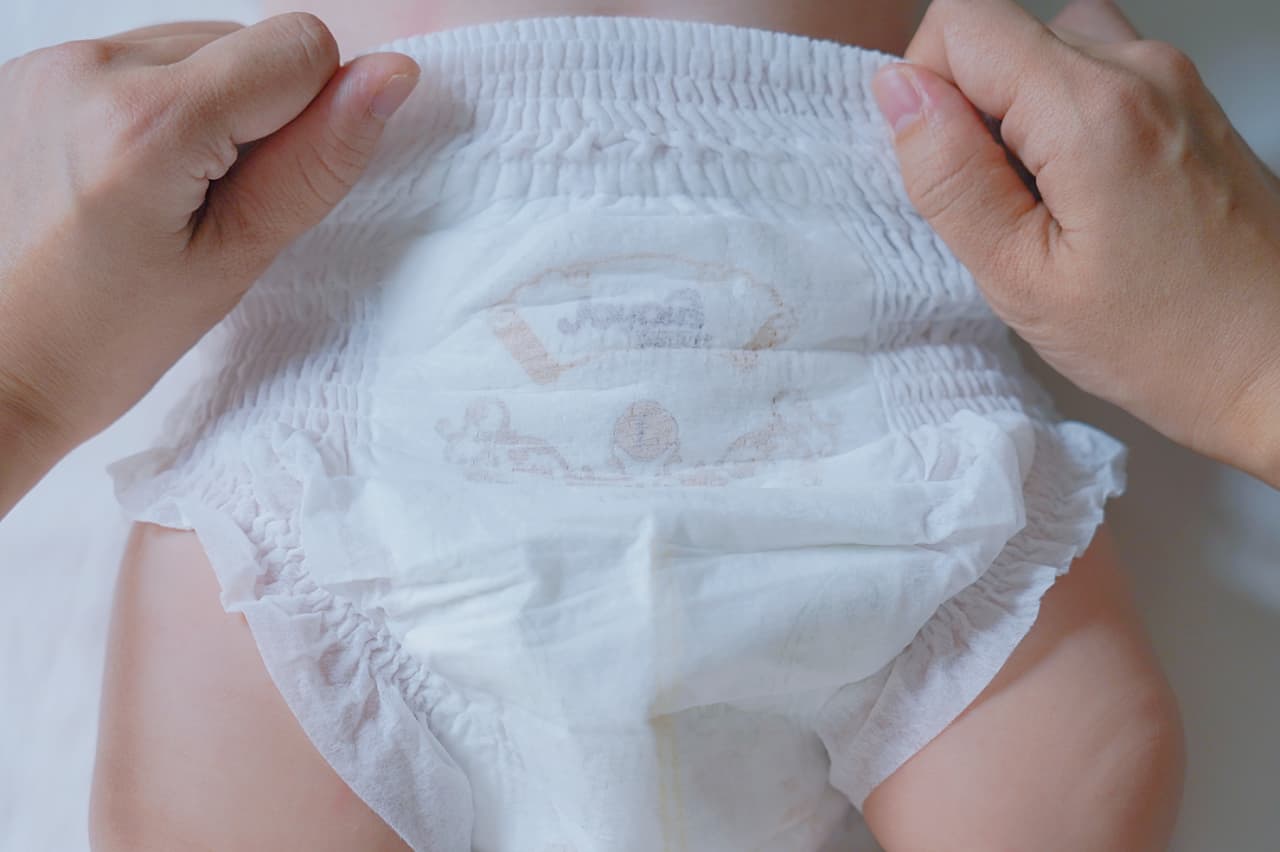
Morning care is the first step to winning customer trust. It’s recommended to guide parents through a four-step routine: prepare a new diaper, warm water, soft cotton wipes, and diaper rash cream. Lay the baby flat, open the soiled diaper, and gently wipe from front to back with warm water-soaked cotton wipes—this order is crucial for preventing infections, especially for baby girls. Pat the skin dry with a clean cotton wipe instead of rubbing back and forth.
Once the skin is completely dry, apply a thin layer of diaper rash cream to form a protective barrier. Unfold the new diaper, place it under the baby’s hips while they roll to the side, ensuring the front and back are correct. Adjust the position for symmetrical fasteners, with a fit that allows two fingers to slide comfortably between the diaper and the baby’s waist. Finally, pull out the built-in leak guards to prevent side leaks.
Tailor usage suggestions to different age groups to highlight product adaptability:
Newborns (0-3 months): With delicate skin and frequent bowel movements, advise changing every 2-3 hours, regardless of saturation. Recommend checking before feeding to avoid spit-up during changes.
Infants (4-12 months): Increased activity paired with developing digestive systems calls for checks every 3 hours, especially after playtime and naps.
Toddlers (13+ months): Expanded mobility allows extending changes to 3-4 hours, with adjustments based on fluid intake and activity level.
Correct Common Misconceptions to Strengthen Product Competitiveness
Addressing widespread misunderstandings is key to showcasing product strengths and establishing professional credibility:
Myth 1: "Thicker diapers are warmer" – Warmth depends on moisture-locking and breathability, not thickness. Overly thick diapers restrict movement and cause discomfort. Our diapers use advanced absorbent materials to deliver powerful absorption while remaining thin and breathable.
Myth 2: "Reduce changes in winter" – Heavier clothing and increased urine output in cold weather create a humid environment prone to bacteria growth. Emphasize adhering to regular change schedules to prevent diaper rash, highlighting the product’s ability to maintain dryness even in colder conditions.
Myth 3: "Diapers eliminate the need for diaper rash cream" – Diapers keep skin relatively dry, but diaper rash cream forms an essential protective layer to reduce friction and irritation. This is especially critical in winter when skin is more dry and sensitive, positioning the product as part of a comprehensive care solution.
Core Product Advantages: Convert to Global Market Appeal
Sustainable customer loyalty stems from product performance. Our diaper line draws inspiration from nature, integrating purity, softness, and breathability to meet needs across all scenarios:
Skin-Friendly Softness: The top layer is made of ultra-soft fiber, mimicking the gentle texture of natural cotton. It reduces friction and red marks during morning changes, providing a comfortable start to the day for sensitive infant skin—an advantage that drives positive word-of-mouth and repeat purchases.
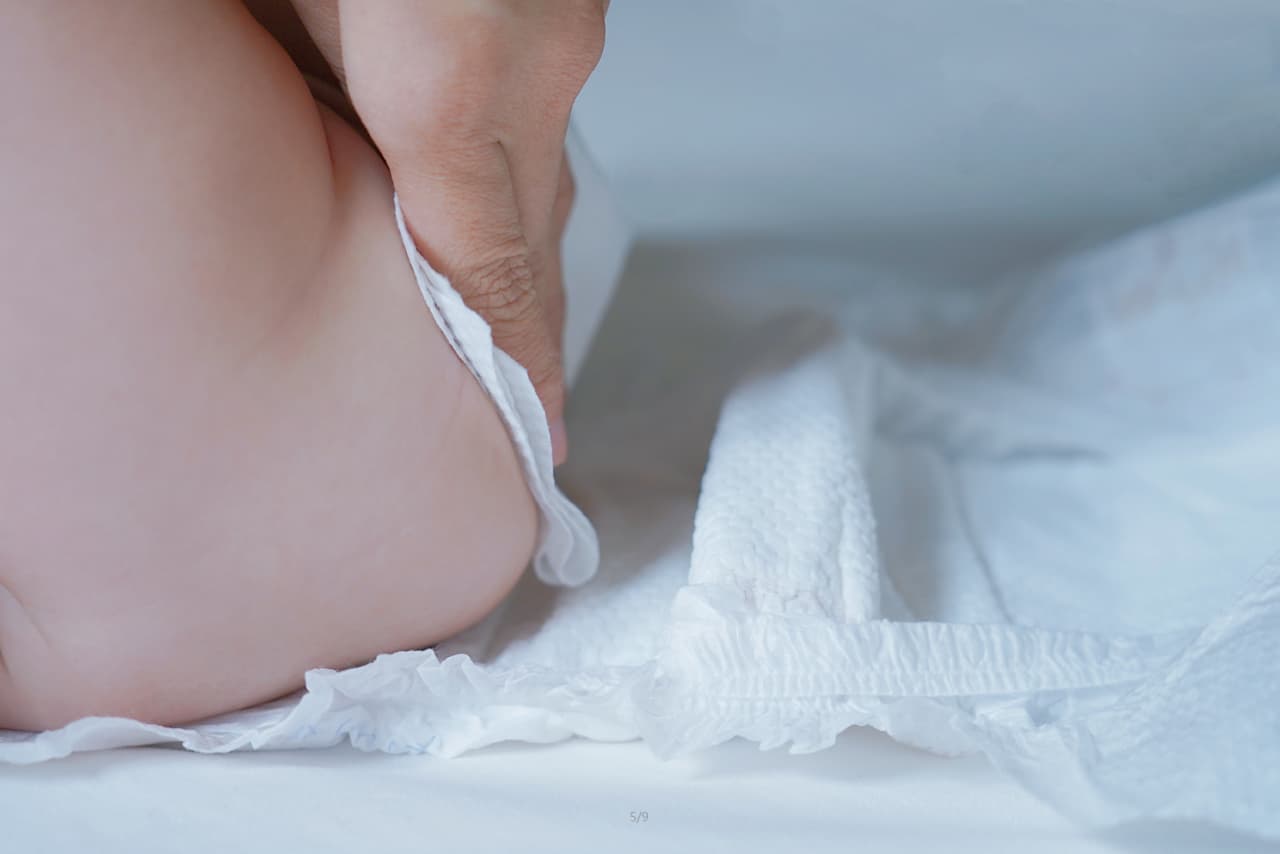
Breathable & Non-Stuffy: Featuring a bionic breathable surface with thousands of micro-pores, the diapers expel moisture quickly, keeping little bottoms dry even during active play. Whether crawling, walking, or running, babies stay comfortable, making the product a top choice for busy parents worldwide.
Overnight Leak-Proof Absorption: Designed for long nights, the expanded moisture-locking core and 3D leak guards absorb and retain multiple urine outputs for up to 12 hours without leakage or rewetting. This ensures uninterrupted sleep for babies and parents alike, addressing a universal parenting pain point and enhancing product competitiveness in global markets.
Practical Tips to Enhance Brand Professionalism
Share storage and troubleshooting advice to reinforce brand expertise:
Storage: Keep diapers in a cool, dry, well-ventilated area, away from direct sunlight, heaters, or humid spaces like bathrooms, to maintain product performance.
Troubleshooting: If diaper rash occurs, advise using warm water instead of wet wipes for cleaning. Allow the baby’s skin to breathe without a diaper for short periods daily to promote recovery.
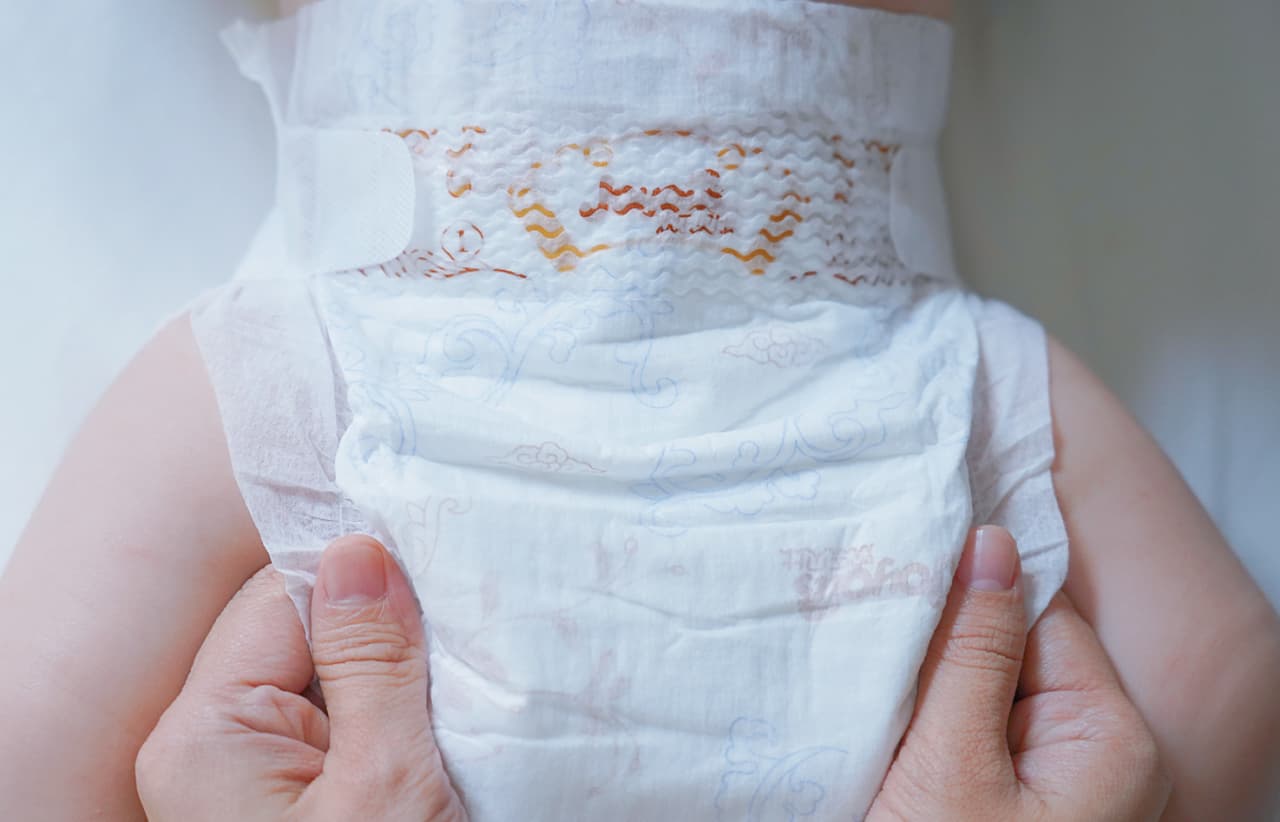
Winter is a peak season for the global baby care market. By combining scientific diaper usage guidance with premium product features, we not only provide reliable solutions for families worldwide but also empower partners to capture market opportunities, boost sales, and build long-term brand loyalty. With science as the foundation and quality as the core, our diapers stand out in the competitive international market, driving mutual success for brands and partners.
Q12: A Winter-Proof Diaper Guide: Shielding Your Baby from Leaks and Discomfort
- A: As winter sets in, parents face a unique childcare challenge: how to keep their active babies both warm and dry. The combination of cold air outdoors, dry heated air indoors, and bulky clothing can create a perfect storm for diaper leaks and skin irritation. This guide breaks down the key features to look for in a diaper to ensure your little one stays protected, comfortable, and free to explore all season long.
The Winter Diaper Dilemma: More Than Just Cold Winter exacerbates two main issues for babies:
The Leak Crisis: Layered clothing and constant movement (crawling, toddling) can cause gaps in a diaper's fit, especially at the back. These gaps, combined with delayed detection under thick outfits, often lead to leaks, exposing delicate skin to cold and moisture.
The Skin Sensitivity Spike: Dry winter air weakens the skin's natural barrier, while extra layers increase friction. Indoor heating further dehydrates skin, and warmer baths can strip protective oils, making babies more prone to redness and irritation.
The 4-Pillar Solution for Winter-Ready Diaper Care
To combat these seasonal challenges, a diaper needs to be engineered with specific features. Here’s what to look for:
The Lockout Fit: Advanced Back-Waist Leakage Protection
The first line of defense is a secure seal that moves with your baby.
The Science: Look for diapers with raised, elasticized back waistbands and 3D leak-guard cuffs. This design uses high-tensility elastics that dynamically adapt to your baby's body shape and posture.
The Benefit: Whether your baby is lying on their back, sitting up, or crawling, the barriers flex to close gaps. This "lockout fit" effectively prevents posterior leaks, a common winter woe, without compromising comfort or freedom of movement.
The Friction Shield: A Bumper of Cloud-Like Softness
Protecting against winter-induced friction and dryness starts with the surface that touches the skin.
The Science: Seek out diapers made with a gentle, textured top sheet. This cushioned, ultra-soft material is designed to minimize surface contact and reduce rubbing from clothing and movement.
The Benefit: Acting like a protective bumper, this gentle surface significantly lowers the risk of chafing and irritation. It feels like a soft embrace against your baby's vulnerable skin, which is especially important when the skin barrier is compromised by dry conditions.
The Rapid-Drain System: Instant Moisture Lockdown
Efficient handling of both urine and runny stools is critical to preventing irritation.
The Science: A high-performance diaper should feature a dual-core absorption system. This technology instantly pulls moisture away from the skin upon contact and rapidly distributes it throughout the core, preventing localized saturation.
The Benefit: By locking wetness away quickly, this system dramatically reduces the time skin is exposed to dampness and irritants. This is crucial for preventing diaper rash, which can be more prevalent when dealing with seasonal dietary changes or illnesses.
The Climate Control: Breathability for a Dry Micro-Environment
Staying dry doesn't just mean absorbing liquid; it also means releasing vapor.
The Science: The best diapers incorporate thousands of micro-air pores across their outer material. This creates a continuous air circulation system that allows heat and humid air to escape.
The Benefit: This breathability prevents the warm, moist environment that bacteria thrive in. It ensures your baby's skin stays dry and comfortable, even during long nights in a warm sleep sack or days spent bundled indoors, effectively acting as a "climate-control" layer.
Your Winter Checklist
This winter, don't just bundle your baby up—build a smarter defense from the inside out. Choose a diaper that confidently checks all the boxes:
✅ Advanced Back-Waist 3D Cuffs for a gap-free seal.
✅ Ultra-Soft, Textured Top Sheet to shield against friction.
✅ Rapid-Absorption Core for instant moisture lockdown.
✅ Full-Body Breathability to expel heat and humidity.
By prioritizing these engineering features, you can provide your baby with the ultimate comfort and protection, turning the challenges of winter into a season of joyful, worry-free exploration.
 IPv6 network supported